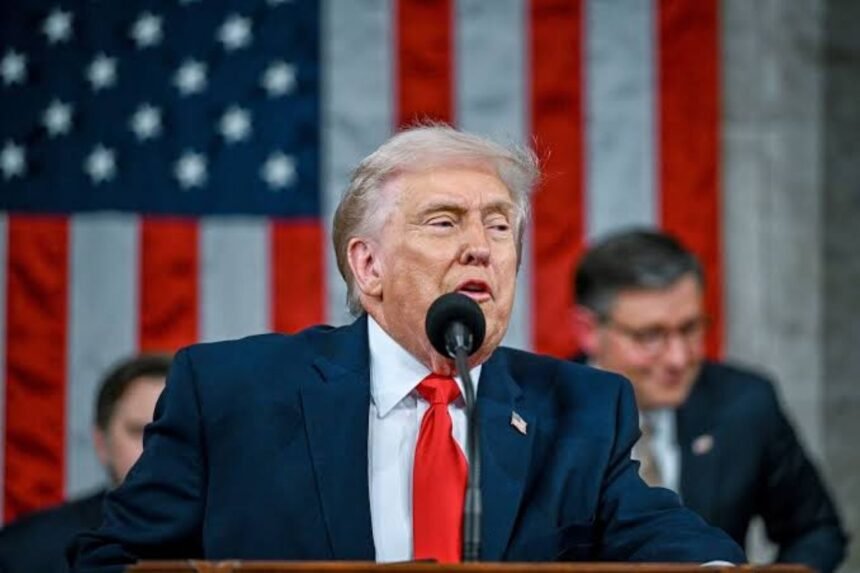
U.S. President Donald Trump has delivered an ultimatum to Tehran, warning that while he “doesn’t like to set deadlines,” the Islamic Republic knows exactly what is expected of them to avoid devastating American military strikes.
Trump’s warnings, delivered to reporters on Wednesday, July 15, 2026, come just a day after he threatened on Fox News to systematically bomb Iranian infrastructure—starting with power plants and moving to bridges—if Iran fails to return to the negotiating table.
The U.S. Ultimatum: Target Milestones
The White House is demanding that Tehran agree to a brand-new, permanent security framework. If diplomacy remains stalled, the U.S. has outlined a sequential escalation path:
- Week One (Next Week): Grounding and destroying power plants inside Iranian territory to cripple the nation’s energy grid.
- Week Two (Following Week): Precision bombing of critical bridges and transport arteries to paralyze logistics and internal movement.
“I don’t like to give deadlines, but they know very well, they know how this works… They better behave.”
— U.S. President Donald Trump
Iran’s Response: “No Compromise, Only Resistance”
In Tehran, Iranian Parliament Speaker and Chief Negotiator Mohammad Bagher Ghalibaf responded to the American threats with a defiant, long-form statement on Telegram.
Ghalibaf made it clear that Tehran feels zero obligation to respect the previous “Memorandum of Understanding” with Washington, claiming the U.S. failed to provide any real benefits. He asserted that Iran’s survival depends on maintaining unilateral maritime rules in the Strait of Hormuz and relying entirely on its own defense capabilities.
The Danger of the “Either/Or” Fallacy
Despite the combative tone, Ghalibaf carefully avoided closing the door on diplomacy entirely. Instead, he argued that forcing a binary choice between war and peace is a critical error:
“Negotiating at this stage does not mean compromise. Together with war, it is part of the strategy of resistance and defending national interests… Splitting and choosing between negotiations or war as the only solution is a strategic mistake.”
— Mohammad Bagher Ghalibaf, Iranian Chief Negotiator
With Washington threatening to dismantle Iran’s domestic infrastructure within days and Tehran pledging to defend its vital shipping lanes at all costs, the Persian Gulf sits on the precipice of its most severe military confrontation in decades.