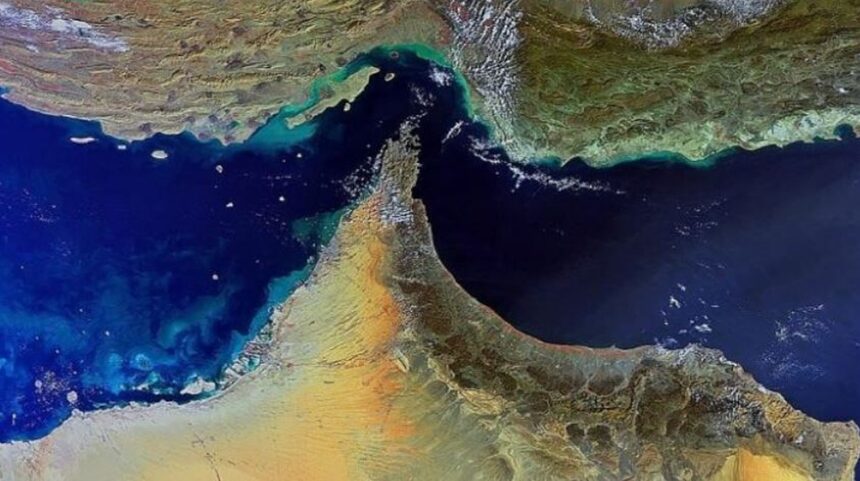
Iran and Oman have reached an agreement on a proposed route for ships passing through the Strait of Hormuz, Iran’s Foreign Ministry said Wednesday, in a potential step toward easing one of the key maritime bottlenecks in the region.
Foreign Ministry spokesperson Esmail Baghaei said the two countries had agreed on the geographic coordinates of the proposed route and were now finalizing a joint statement outlining the main elements of the agreement.
“The geographical coordinates of the route proposed by both sides have been agreed,” Baghaei said, according to Iranian state media, adding that the joint statement was in the final drafting and review stage, provided that no third parties interfere with the process.
Baghaei described the discussions with Oman as “professional” and said they were progressing, but warned that safe passage could not be guaranteed for all vessels using the waterway because of what he described as continuing “destabilizing factors.”
He cited the US naval blockade of Iran and what he characterized as other “aggressive and threatening actions” against Iran and its interests.
The Strait of Hormuz has emerged as a major point of contention in negotiations between Washington and Tehran. The strategic waterway is one of the world’s most important energy transit routes, carrying roughly a quarter of global seaborne oil trade.
The strait was effectively closed by Iran following US and Israeli strikes in late February, triggering significant volatility in global energy markets.
The agreement between Tehran and Muscat could provide a framework for restoring more predictable maritime traffic through the strategic waterway, although uncertainty remains over whether broader security conditions will allow commercial shipping to resume normally.