The European Union has transferred €1.4 billion in windfall profits generated from interest on cash balances linked to the frozen assets of Russia’s Central Bank, with the funds set to finance further support for Ukraine.
The transfer was made on August 3 and represents the fifth payment of its kind since the EU froze Russian central bank assets following Moscow’s invasion of Ukraine. The latest installment covers revenues accumulated during the first half of 2026.
Since the assets were immobilized, they have generated approximately €8 billion in windfall profits, according to reports.
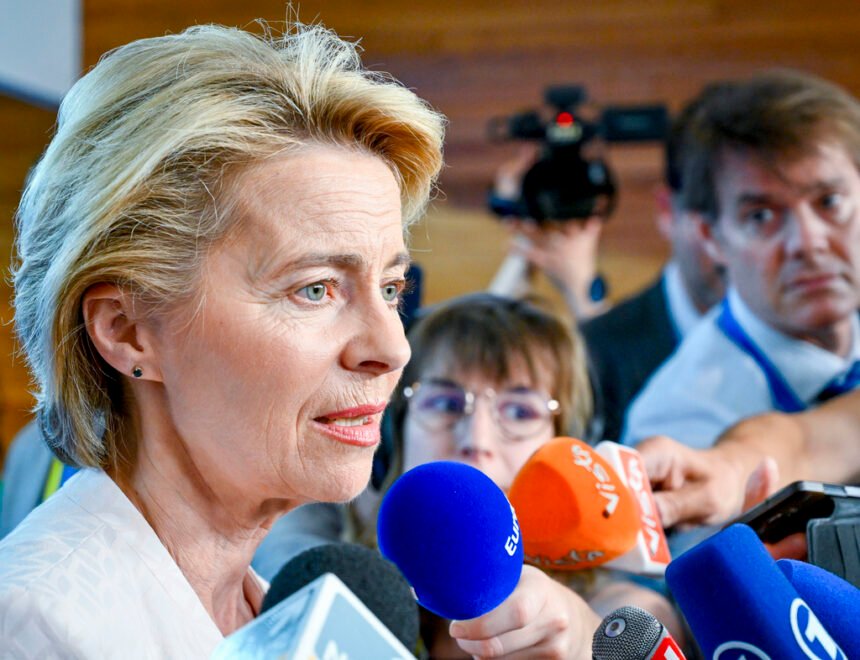
“Russia must pay for the destruction it has caused,” European Commission President Ursula von der Leyen said. “We are making another €1.4 billion available to Ukraine from these funds. This will support Ukraine’s continued resistance against Russia’s illegal war.”
The EU has maintained that while the underlying Russian assets remain frozen, the extraordinary revenues generated by the cash balances are not considered to belong to Russia. Following a proposal from the European Commission and the EU’s High Representative, member states agreed to redirect the net profits toward supporting Ukraine.
Under the latest allocation, 95 percent of the €1.4 billion will be channeled through the Ukraine Loan Cooperation Mechanism (ULCM), while the remaining 5 percent will go through the European Peace Facility (EPF).
The ULCM provides non-repayable financial support to help Ukraine service EU macro-financial assistance and loans provided by G7 countries under the Extraordinary Revenue Acceleration (ERA) initiative. Total support under the ERA loan framework amounts to €45 billion.
The European Peace Facility, meanwhile, is designed to help Ukraine meet urgent military and defense needs.
The latest transfer underscores the EU’s continued effort to use the financial proceeds generated by immobilized Russian assets to strengthen Ukraine’s ability to withstand the war while leaving the underlying assets themselves frozen.