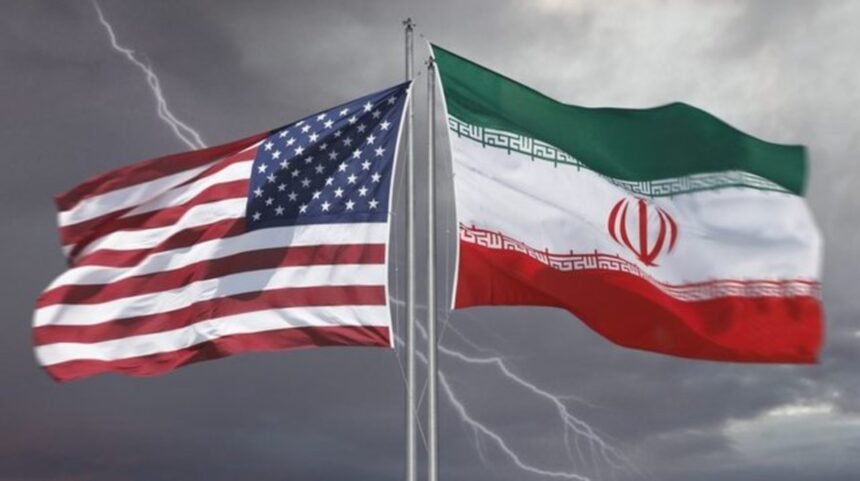
The 60-day deadline established under the Memorandum of Understanding between the United States and Iran expired at midnight without a final agreement being reached to end the war and resolve the complex issues between the two countries.
The memorandum was signed on June 17 by U.S. President Donald Trump and Iranian President Masoud Pezeshkian, with the aim of ending hostilities and paving the way for a broader agreement within 60 days.
The 14-point framework, primarily brokered by Pakistan with the support of other countries in the region, also addressed issues related to Iran’s nuclear program.
The interim agreement provided for the reopening of the Strait of Hormuz, the easing of certain financial restrictions on Tehran, and the establishment of a basis for future negotiations over Iran’s nuclear program.
However, the agreement quickly encountered difficulties. Both sides accused each other of violating their commitments, while disagreements over the Strait of Hormuz were followed by renewed military strikes in late June.
On July 8, Trump stated that the Memorandum of Understanding was “over.”
The U.S. president has also made clear that economic pressure on Iran remains part of Washington’s strategy.
“We’re just watching Iran with its tremendous inflation and the fact that they have no money,” Trump said earlier this month.
The interim agreement was reached after more than three months of conflict, which also severely affected trade in the Persian Gulf, particularly oil and gas exports.