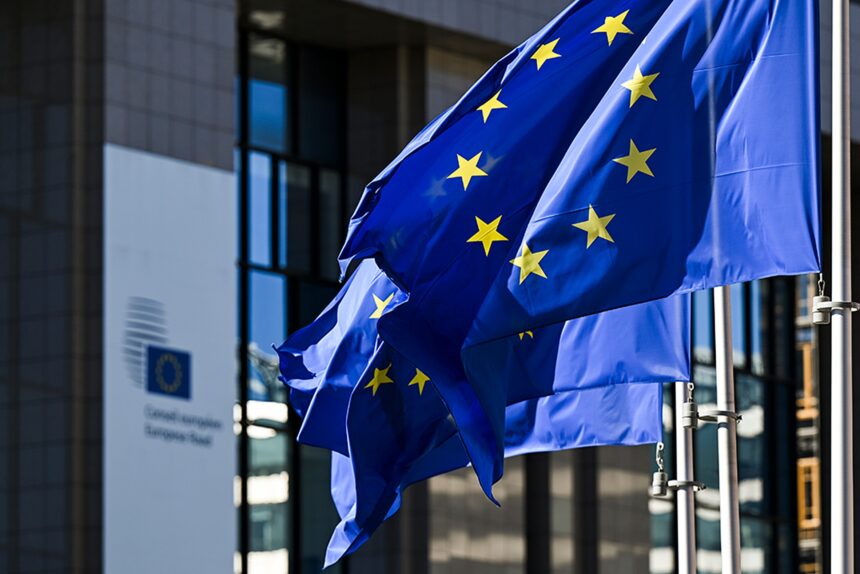
Montenegro is facing a delay in the closure of new chapters in its negotiations with the European Union, as several member states have yet to give their consent for the process to move forward.
This puts Podgorica’s plan to conclude accession negotiations by the end of the year and pave the way for EU membership in 2028 into question.
The Netherlands has called for a pause in Montenegro’s further integration process, citing the need for additional assessments and more consistent implementation of European standards. Croatia, Estonia, Lithuania and Latvia have reportedly joined the request, according to unofficial diplomatic sources in Brussels. An EU Council official said the delay is primarily related to a lack of time to complete the necessary national procedures.
However, diplomatic sources told Radio Free Europe that the reasons are not solely technical. According to them, statements and reactions by several Montenegrin politicians following the death and during the funeral of Ratko Mladić, who was convicted of war crimes and genocide, influenced the position of some EU member states toward Montenegro’s further progress. The Croatian Government condemned condolences expressed by Montenegrin Parliament Speaker Andrija Mandić following Mladić’s death.
According to diplomatic sources, several member states are seeking additional verification of Montenegro’s compliance with key criteria, while differences remain among EU countries over whether negotiations should proceed. Nevertheless, there is still a possibility that new chapters could be closed at the end of next week, although the official date of the intergovernmental conference and the consent of all 27 member states have not yet been confirmed. If no agreement is reached, the next opportunity could come in October.
The delay comes as Montenegro is attempting to resolve bilateral issues with Croatia, including the maritime border, ownership of the training ship “Jadran,” wartime compensation and missing persons, as well as the position of the Croatian community in Montenegro. Relations have also been strained by a resolution on genocide in the Jasenovac, Dachau and Mauthausen camps, adopted by the Montenegrin Parliament in 2024.
So far, Montenegro has provisionally closed 18 of the 33 negotiating chapters, including six this year. Prime Minister Milojko Spajić’s government plans to close the remaining 15 chapters by the end of December, while completing the procedures for signing and ratifying the Accession Treaty during 2027, with the aim of Montenegro becoming a full EU member in 2028.