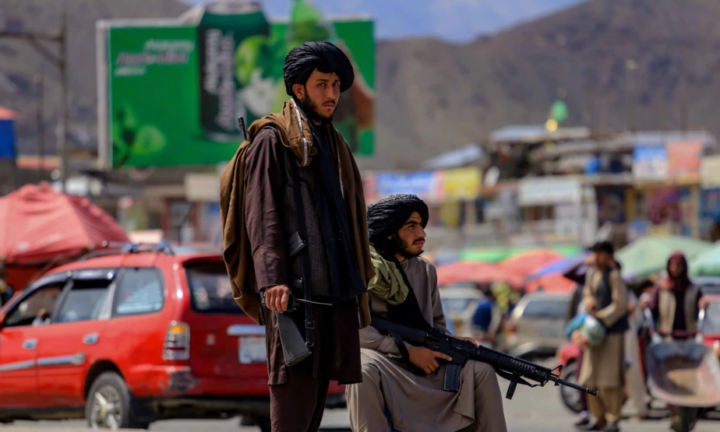
The peace negotiations between Pakistan and Afghanistan’s hardline Taliban rulers held in Istanbul have collapsed without an agreement, though both sides have agreed to maintain the current ceasefire.
According to Taliban spokesperson Zabihullah Mujahid, the talks failed due to Pakistan’s “irresponsible behavior and lack of cooperation.” In a statement on X (formerly Twitter), Mujahid accused Islamabad of showing “no willingness to take responsibility for its own or Afghanistan’s security.”
Despite the breakdown, Mujahid emphasized that the ceasefire remains intact and that the Taliban would “continue to respect it.”
The Istanbul peace talks, mediated by Turkey and Qatar, have been ongoing since last month, with the most recent round taking place on November 6–7, led by Abdul Haq Wasiq, head of the Taliban’s intelligence service, and Lieutenant General Asim Malik, director of Pakistan’s Inter-Services Intelligence (ISI).
Pakistani officials, including Defense Minister Khawaja Asif, confirmed that the talks had failed and no further rounds were planned. Asif warned that if Afghan territory continues to be used for attacks against Pakistan, the ceasefire could end, adding that a breakdown in diplomacy could lead to “open war.”
The negotiations were marred by violence from the outset. On November 6, just as talks began, a cross-border gunfight erupted in Spin Boldak, leaving at least five civilians dead—including four women—and several others injured. Both sides blamed each other for initiating the exchange of fire.
The violence followed a bloody October, during which at least 50 Afghan civilians were killed and 450 wounded in border clashes, alongside 23 Pakistani soldiers killed and 29 injured. Fighting eventually subsided after Turkish and Qatari mediation led to a temporary ceasefire.
The fragile relationship between the two countries — once close allies sharing a 2,600-kilometer border — has sharply deteriorated. Islamabad accuses Kabul of harboring the Pakistani Taliban (Tehrik-e Taliban Pakistan, or TTP) and allowing the group to train and launch attacks from Afghan territory. The Taliban government denies these accusations.
Analysts warn that the collapse of these talks further destabilizes regional security and risks rekindling full-scale conflict between the two nuclear-armed neighbors.