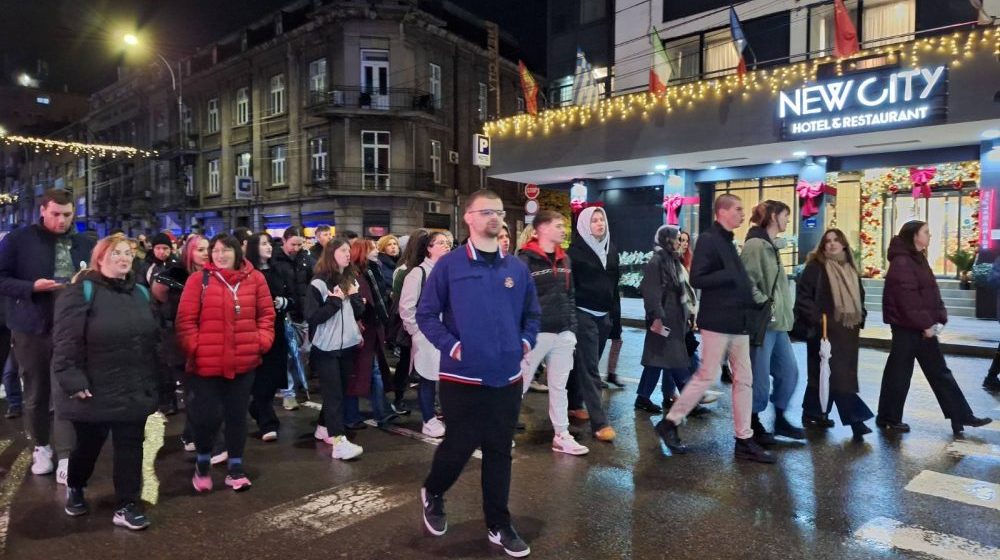
A year after students first occupied the Faculty of Philosophy, citizens and students returned to the streets to confront a government that values corruption and political power over human lives. The railway canopy collapse in Novi Sad, which claimed 16 lives, remains unpunished, a chilling reminder of Aleksandar Vučić’s regime of impunity.
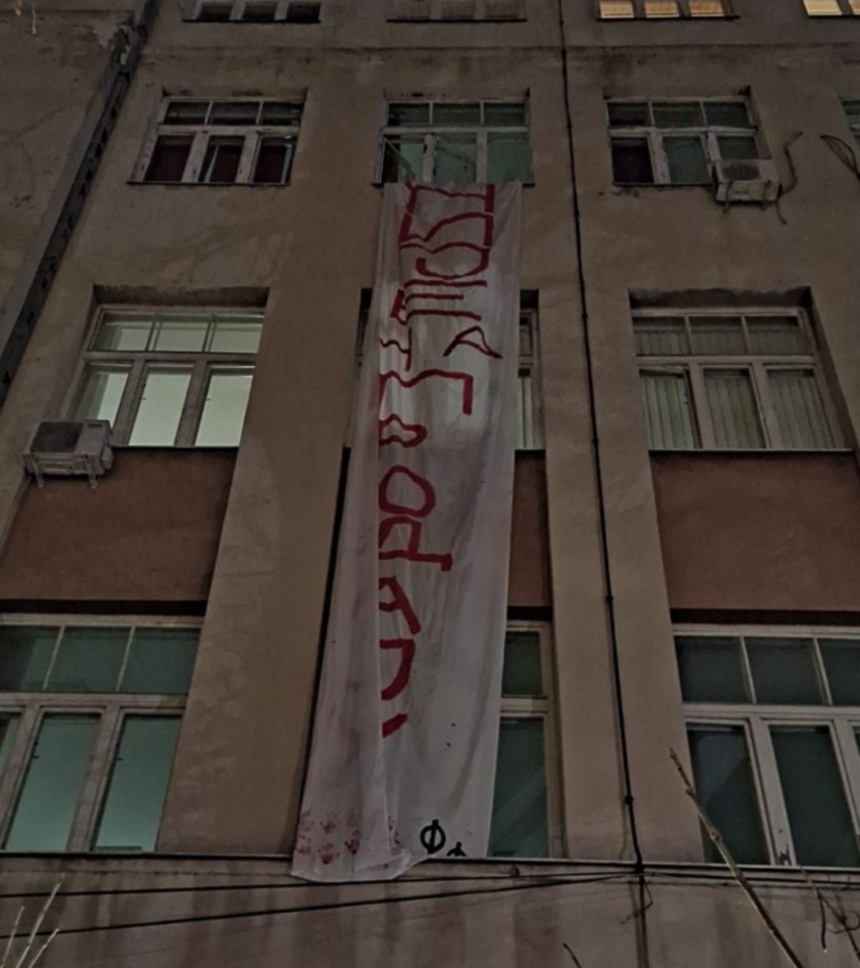
The students’ blockade was more than a protest it was a moral challenge to a state that ignores accountability, crushes dissent, and manipulates education for political gain. The Faculty of Philosophy, which openly supported the students, was targeted by the government: departments were split, programs seized, and professors and students faced reprisals for daring to oppose corruption.
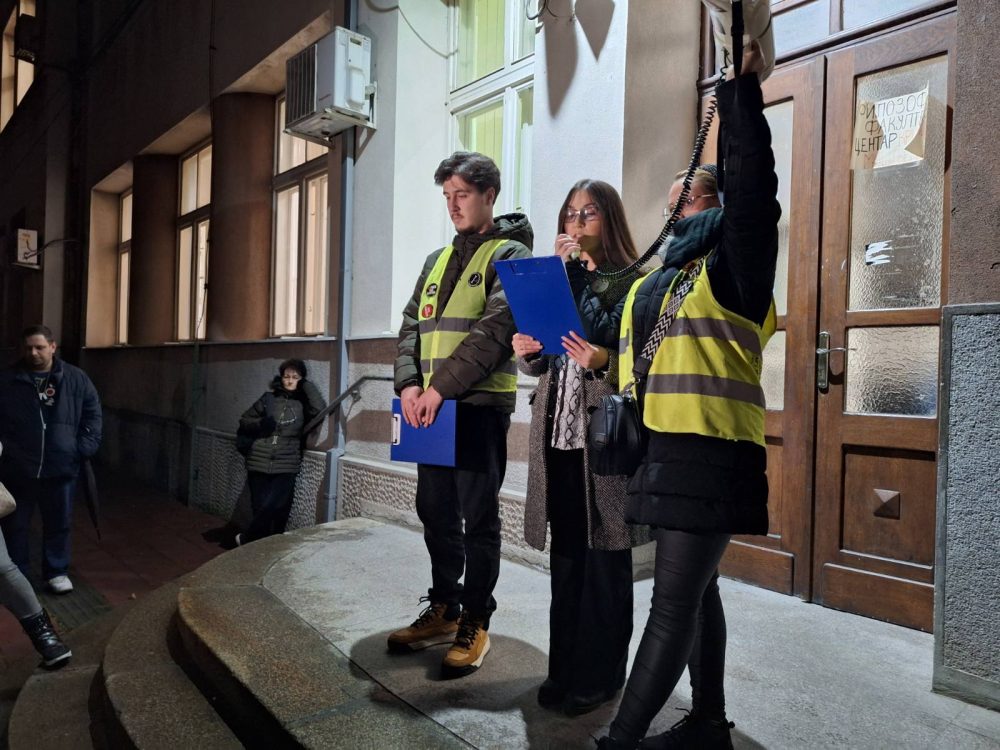
Anđela Jeremić, a student leader, said it bluntly:
“One year ago, we asked how corruption and power could be more important than human life. Serbia still has no answer—only protection for those who endanger citizens.”
The protests spread to multiple faculties, lasting over six months, demonstrating that civil resistance is the only check on a government that treats incompetence and greed as national policy. The Vučić administration has shown that lives are expendable, justice is optional, and corruption is a tool of control.
The anniversary gathering, marked by a 16-minute silence for the victims, speeches, and citizen solidarity, sends a clear message: Serbia’s government cannot evade responsibility forever, and its corruption will continue to meet resistance—on the streets, in the universities, and in the conscience of its people.