The National Institute of Public Health (IKSHPK) has reported that following recent analyses of public water supply systems, in several areas, water is either not safe for drinking or suitable only for technical use.
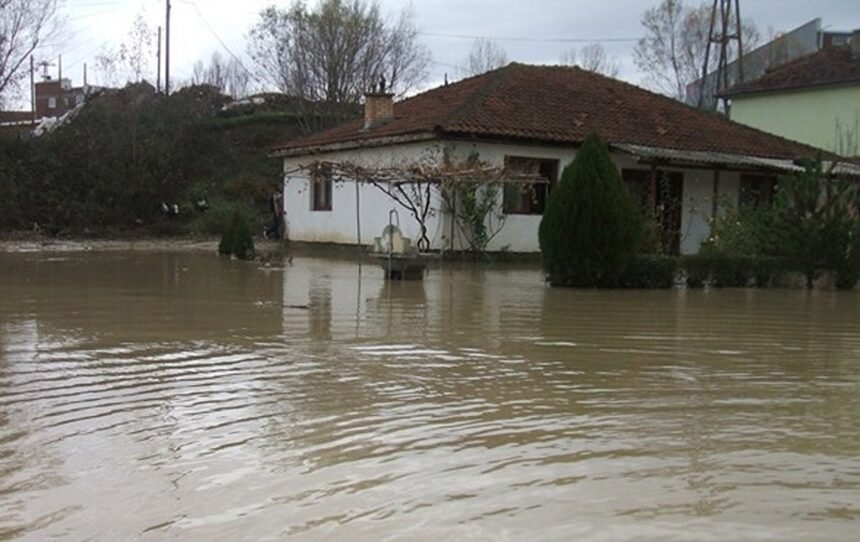
The increased rainfall over the past days caused flooding in several municipalities. On Friday, IKSHPK conducted physico-chemical and microbiological tests, which revealed the following:
Prishtina Region
- Water treatment plants in Shkabaj and Bivolak are out of service due to high turbidity.
- Water plants in Badoc and Batllavë are operating normally; water quality meets standards.
Prizren Region
- Water from the “40 wells” in Prizren is released only for technical purposes.
- Other sources, like Cvilen and Soz, meet water quality standards.
- In Suharekë and Dragash, water is safe for drinking.
- In Malishevë, water is for technical use only.
Gjilan Region
- Water in Gjilan city meets quality standards.
- In Kamenicë, Viti, and the villages of Makresh, Ropotovë, Ranillug, and Berivojcë, turbidity is high; water is not recommended for drinking.
Pejë Region
- Water in Pejë and Istog meets standards.
- In Deçan, Junik, and Klinë, water is only for technical use.
- Mbivada and Vrella sources are turbid; water is only for technical use.
- Jarinë source is only for technical use.
Ferizaj Region
- Water is safe for drinking and within standards.
Gjakovë Region
- Water supply from KRU Gjakova network is safe for drinking.
- Hoqa e Madhe, Opterusha, and Zaqishta have elevated turbidity; water is not safe for drinking.
Mitrovicë Region
- Water is only suitable for technical use.
Authorities urge residents in affected areas to avoid using water for drinking until further notice and rely on alternative sources or bottled water.