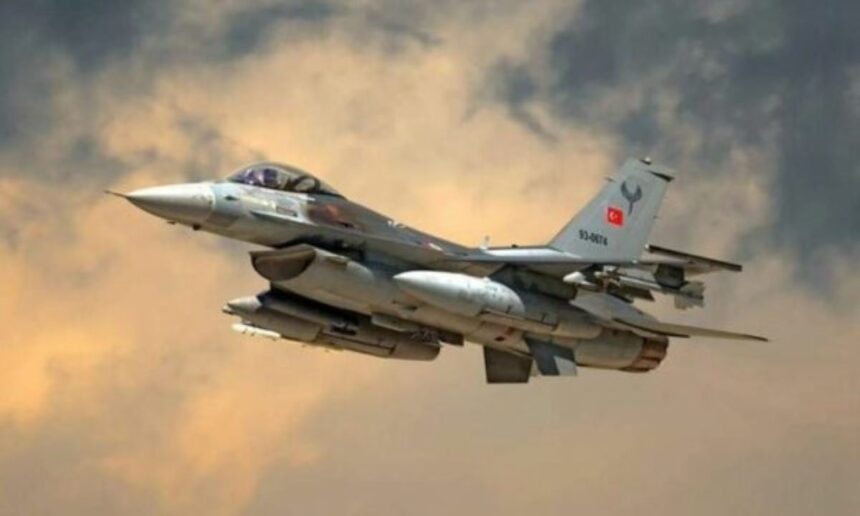
Geopolitical tensions in the Balkan and Mediterranean theaters flared up significantly on Monday, May 25, following a dangerous, armed aerial standoff between Greek and Turkish fighter jets over the Aegean Sea.
The incident breaks months of relative calm between the two NATO allies, signaling a sharp escalation in their long-standing maritime and airspace disputes.
Virtual Dogfights Over the FIR Boundary
According to official flight logs released by the Hellenic National Defense General Staff (HNDGS), the airspace incursions occurred across the Northeastern and Southeastern sectors of the Athens Flight Information Region (FIR).
A Turkish formation crossed into Greek-monitored airspace without submitting prior flight plans. When scrambled Greek interceptors locked onto the formation and ordered them to egress back into Turkish airspace, the Turkish pilots flatly refused to comply. The non-compliance triggered intense, tactical “virtual dogfights” (mock dogfights where pilots maneuver to achieve missile lock without firing live ammunition) as Greek jets aggressively intercepted the intruders.
       [Aegean Airspace Incursion Matrix]
                      │
                      ├─► 2x Turkish F-16 Fighter Jets (Armed)
                      └─► 2x Turkish CN-235 Maritime Patrol/Spy Planes
                      │
                      ▼
       [Recorded Violations Reported by Athens]
         • 10 Total Violations of National Airspace
         • 4 Violations of International Air Traffic Rules (ICAO)
The Anatomy of the Intrusions
The Hellenic Defense Ministry detailed that the airspace violations were carried out by a mixed formation of four aircraft.
While the two heavily armed Turkish F-16 fighter units engaged the Greek alert aircraft, two Turkish CN-235 electronic surveillance and spy planes focused on intelligence-gathering operations inside the 10-nautical-mile Greek national airspace boundary. Out of the 10 total territorial violations recorded during the standoff, eight were executed by the low-flying CN-235 spy planes, while the remaining two were carried out by the escorting F-16s.
The incident marks a volatile return to aggressive brinkmanship over the Aegean, re-exposing deep-seated bilateral rifts concerning sovereignty limits, the demilitarization of islands, and airspace jurisdictions that continue to fracture NATO’s southeastern flank.