The Director of the Office for Kosovo campaigns alongside local officials in southern Serbia, ramping up pressure on displaced communities to vote for the dominant political bloc in the upcoming June 7 ballot.
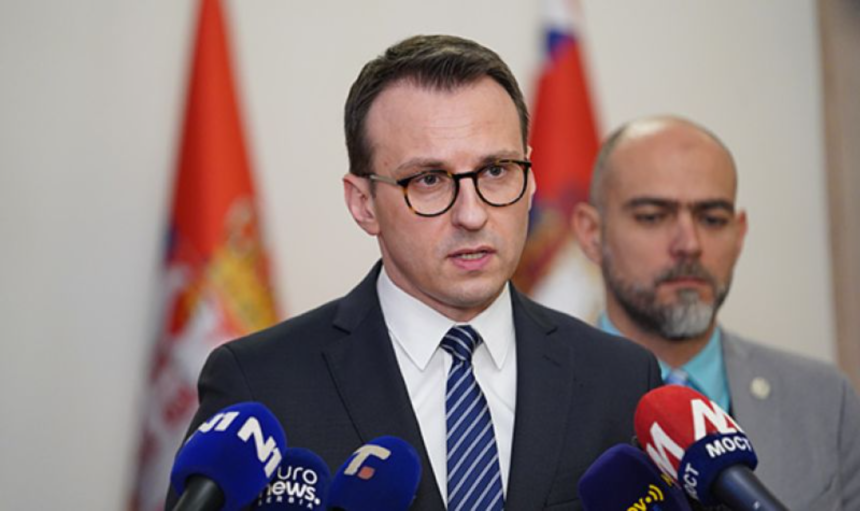
Petar Petković, the Director of the Serbian Government’s Office for Kosovo, launched an aggressive, state-backed voter mobilization drive in the southern city of Niš on Thursday evening. Speaking before a packed town hall of internally displaced persons (IDPs), Petković issued a heavy directive for all displaced individuals holding valid Kosovan identification documents to return across the boundary line this Sunday, June 7, 2026, to cast their ballots for Srpska Lista (Serbian List).
Flanked by the Mayor of Niš, Dragoslav Pavlović, and the Serbian Commissioner for Refugees and Migration, Nataša Stanisavljević, Petković framed the upcoming snap parliamentary election—Kosovo’s fifth election cycle in just 16 months—as an existential battle. Observers note that the rhetoric used at the rally places immense pressure on vulnerable displaced communities, effectively conditioning their continued ties to their homeland on backing Belgrade’s chosen political instrument.
Petković explicitly instructed voters to circle Number 119 on the ballot, painting the Belgrade-backed party as the only permissible option for Serbs.
“Only the victory of Srpska Lista is a guarantee of preserving Serbian national interests,” Petković told the crowd. “We are witnessing that there are other, so-called Serbian political parties in Kosovo, but those parties do not represent the Serbian people, nor do they lead a policy in the interest of the survival of our people… such as Nenad Rašić and his political party.”
Squeezing Out Alternatives: The Attack on Rašić
By narrowing the political choices down to a black-and-white ultimatum, Petković’s speech targeted Nenad Rašić, Kosovo’s Minister for Communities and Returns, who leads a rival, moderate Serb coalition.
The aggressive narrative is designed to consolidate a monopoly over the Serb vote in Kosovo. By labeling alternative options as “antisenv”, the state apparatus heavily discourages political pluralism among the displaced population.
┌────────────────────────────────────────────────────────────────────────┐
│             The Ballot Battle: Belgrade's Monopolistic Push            │
├───────────────────────────────────────┬────────────────────────────────┤
│ SRPSKA LISTA (BALLOT #119)            │ RIVAL SERB COALITIONS (RAŠIĆ)  │
├───────────────────────────────────────┼────────────────────────────────┤
│ • Promoted by state officials as the  │ • Operates within the legal    │
│   only acceptable option for Serbs.   │   framework of Pristina.       │
├───────────────────────────────────────┼────────────────────────────────┤
│ • Enforces absolute political unity   │ • Accused by Belgrade of       │
│   leveraging state media and resources.│   betraying national interests.│
├───────────────────────────────────────┼────────────────────────────────┤
│ • Coordinates heavily monitored bus   │ • Seeks integration and        │
│   convoys from central Serbia.        │   coexistence with Kurti's bloc.│
└───────────────────────────────────────┴────────────────────────────────┘
“Rašić is a man who sold his faith for a dinner, standing under the banner of Albin Kurti,” Petković claimed, escalating the polarization. “On one side we have Srpska Lista, supported by President Vučić and the state of Serbia, and on the other, you have Nenad Rašić. Therefore, it is exceptionally significant that the largest possible number of people respond to this call.”
Leveraged Influx: Organizing the Cross-Border Convoys
Tens of thousands of Serbs who left Kosovo following the 1999 conflict have established lives in Niš, Kragujevac, and Kraljevo. State officials reminded the audience that those who still retain institutional ID documents issued by Pristina are expected to act as a unified voting bloc.
To ensure compliance and maximize numbers, Petković drew comparisons to the highly disciplined voting habits of the ethnic Albanian diaspora. He announced that the Serbian government would fully coordinate and organize comprehensive bus transport networks from all major cities in Central Serbia directly to the polling centers on Sunday, leaving little room for individual abstention.
Demanding Safe Passage Amid Regional Tensions
Given the severe geopolitical friction currently engulfing the region—including the explosive, ongoing diplomatic standoff between Serbia and Montenegro over deported operatives—Belgrade is expecting a heavily securitized environment at the border checkpoints.
Petković formally called on international security missions, including KFOR and EULEX, to deploy heavily at all administrative boundary crossings. The objective is to ensure that the state-organized convoys of incoming voters face no bureaucratic delays or disruptions from Kosovo’s border police.
Concluding the rally, Niš Mayor Dragoslav Pavlović reinforced the high-stakes messaging, warning the audience that local institutions like schools and hospitals could face severe consequences if Srpska Lista does not retain its absolute grip on the guaranteed Serb seats in parliament.