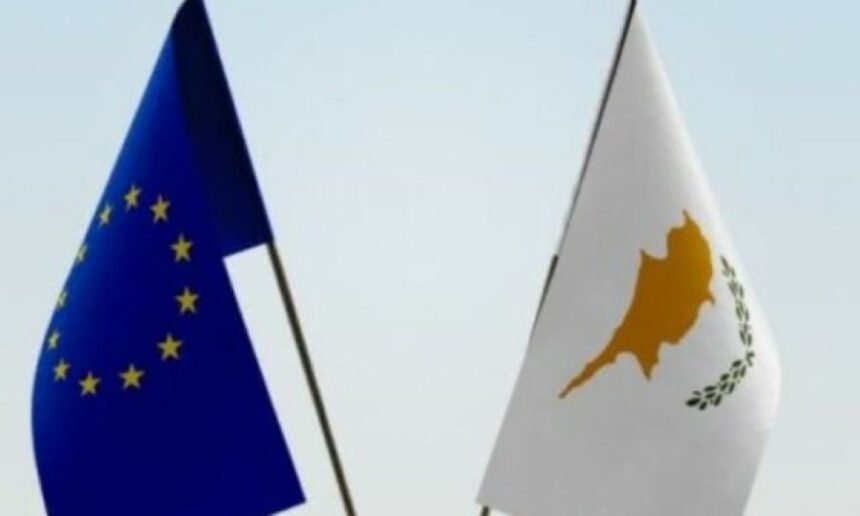
Cyprus has officially taken over the rotating Presidency of the Council of the European Union, marking the second time since its accession to the EU in 2004 that the country has assumed this key institutional role.
The six-month Cypriot presidency begins at a time of heightened geopolitical and economic challenges for the European Union. Instability in the Middle East, Russia’s war against Ukraine entering its fourth year, growing security threats, and pressure on transatlantic unity are shaping an increasingly complex political and strategic environment for Europe.
At the same time, the EU faces mounting geo-economic pressures, as global trade fragmentation and intensifying international competition continue to test the resilience of the European economic model. Enhancing the Union’s competitiveness and strategic autonomy is expected to be a central concern during Cyprus’s term.
Building on the work of the outgoing Danish presidency, Cyprus is expected to place security and defense policy high on the EU agenda. These priorities reflect growing concerns over Europe’s ability to respond effectively to both external threats and internal vulnerabilities.
In parallel, EU enlargement, migration policy reforms, and negotiations over the next Multiannual Financial Framework (MFF) will be among the most sensitive and politically demanding files. These discussions are set to unfold amid a tight fiscal climate, raising questions about the Union’s capacity to balance ambition with financial sustainability.
As Cyprus assumes the presidency, expectations are high that it will act as an honest broker among member states, steering complex negotiations while safeguarding European unity at a time of profound uncertainty.