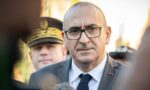

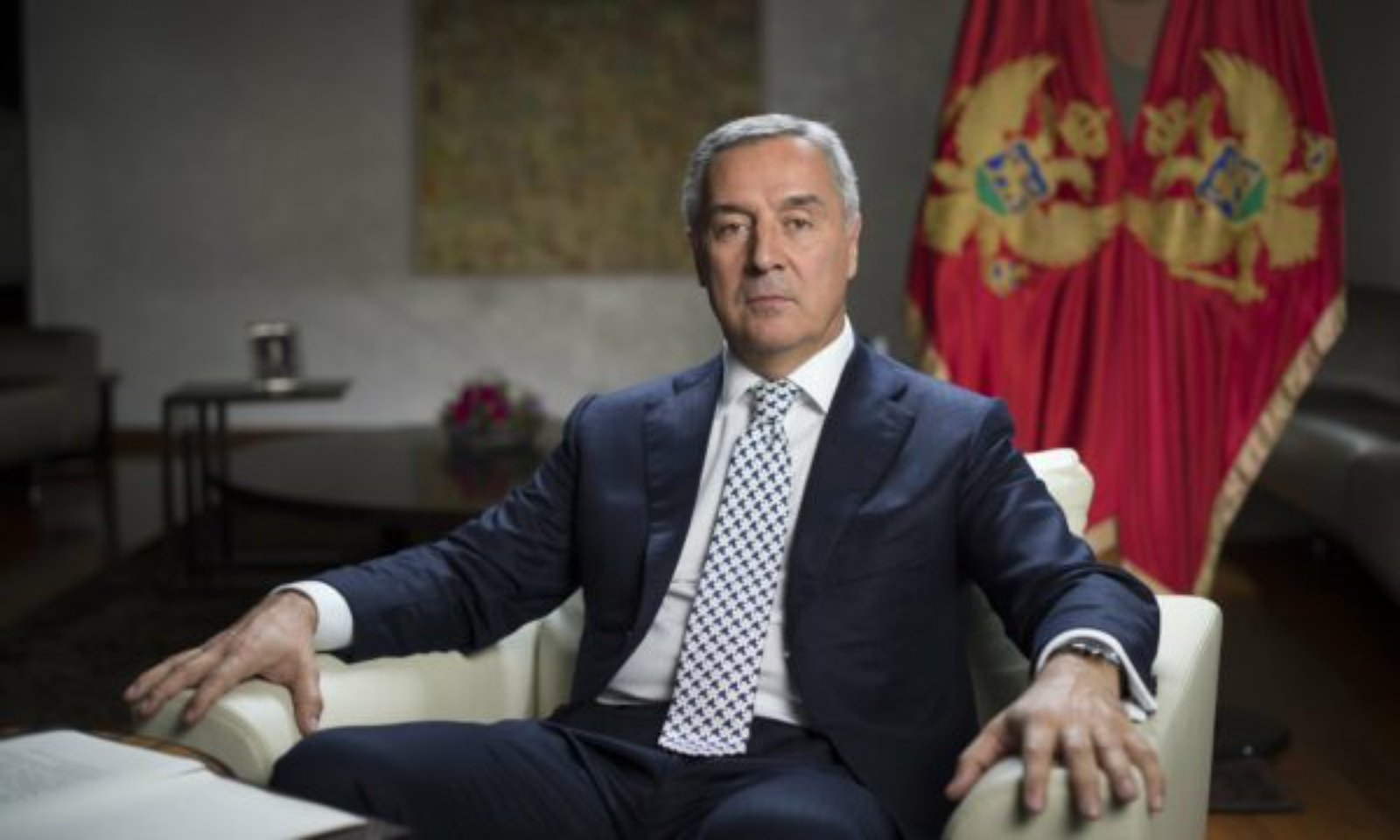
Former Montenegrin President Milo Đukanović has rejected allegations by Montenegrin Parliament Speaker Andrija Mandić that he and his Democratic Party of Socialists (DPS) played a direct political and logistical role in the conflicts of the 1990s, including by supplying fuel to Republika Srpska during the war in Bosnia and Herzegovina.
In an interview with the Montenegrin newspaper Pobjeda, Đukanović also dismissed accusations linking him to the Srebrenica genocide, describing them as fabrications promoted by Serbian nationalist circles and their supporters in Montenegro.
“Lately, there have been increasingly frequent and shameless fabrications by Greater Serbian nationalists and their servants in Montenegro, claiming that I am nothing less than responsible for the genocide in Srebrenica,” Đukanović said.
He argued that the Yugoslav People’s Army (JNA) provided extensive logistical assistance to the Army of Republika Srpska (VRS), including ammunition, fuel, spare parts, training and technical support.
Đukanović cited figures he said showed that, after the rejection of the Vance–Owen peace plan in 1993, 99.6 percent of Republika Srpska’s budget came from Belgrade. He also referred to findings by the International Criminal Tribunal for the former Yugoslavia (ICTY) concerning the support provided to the VRS through Yugoslav military structures.
“The system ensured assistance to the Army of Republika Srpska throughout the period. The Hague Tribunal established that Ratko Mladić was part of that system and, as a VRS officer, retained his status and pay through the structures of the Yugoslav Army,” Đukanović said.
He rejected the suggestion that fuel supplied by Montenegro was decisive to the war effort, saying that responsibility for the killing of more than 8,000 Bosniak men and boys in Srebrenica could not be attributed to what he called “Đukanović’s oil.”
Đukanović also disputed Mandić’s claim that the war in Bosnia and Herzegovina could have ended in 1994, pointing to the rejection of peace proposals by the Republika Srpska Assembly in 1993 and 1994.
He accused his political opponents of invoking his name to divert attention from responsibility for war crimes committed during the 1990s.
“They cannot conceal their historical or present-day shame, even when they resort to using Đukanović’s name,” he said.
The statements come amid continued political disputes in Montenegro over the country’s role during the Yugoslav wars and how responsibility for the conflicts should be addressed.