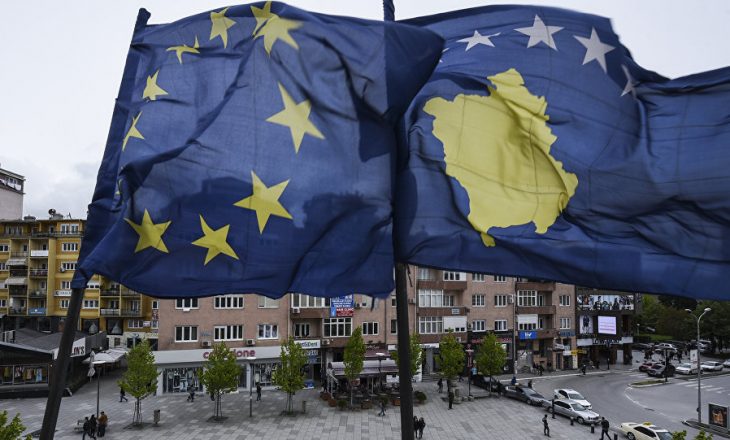
EU ambassadors in Brussels have officially authorized the launch of individual negotiations with Kosovo and five other Western Balkan states to eliminate mobile roaming charges. The initiative aims to integrate the region into the EU’s seamless digital market by 2027, cutting costs for millions of citizens, businesses, and diaspora members.
In a major breakthrough on the eve of the EU-Western Balkans Summit in Tivat, Montenegro, European Union ambassadors meeting in Brussels have formally approved a mandate to launch negotiations aimed at completely abolishing roaming charges between the EU and the Western Balkans.
The Council of the EU is expected to rubber-stamp the decision tomorrow without further debate. Once finalized, this procedural step will clear the way for Kosovo, Albania, Bosnia and Herzegovina, Montenegro, North Macedonia, and Serbia to initiate bilateral talks to join the lucrative EU “Roam Like at Home” zone.
The European Commission’s ambitious timeline aims to wrap up these technical negotiations before the end of this year, paving the way for the complete elimination of cross-border cellular fees as early as 2027.
Ending ‘Bill Shock’ for Diaspora and Travelers
The “Roam Like at Home” system has been an institutional staple within the EU for years, allowing citizens to use their mobile data, text, and voice plans across borders without extra fees. While the Western Balkans successfully established a regional tariff-free zone among themselves in recent years, connecting the region to the broader European network marks a massive economic upgrade.
┌──────────────────────────────────────────────────────────┐
│         "Roam Like at Home" Expansion Timeline           │
├───────────────────────────┬──────────────────────────────┤
│      Phase 1: Status      │ Intra-EU & Intra-Balkans     │
│                           │ Roaming fees eliminated      │
├───────────────────────────┼──────────────────────────────┤
│      Phase 2: June 2026   │ EU Ambassadors authorize     │
│                           │ official bilateral talks     │
├───────────────────────────┼──────────────────────────────┤
│      Phase 3: Late 2026   │ Target deadline to finalize  │
│                           │ technical agreements         │
├───────────────────────────┼──────────────────────────────┤
│      Phase 4: 2027        │ Target implementation date  │
│                           │ for zero-tariff roaming      │
└───────────────────────────┴──────────────────────────────┘
The upcoming structural shift will yield immediate real-world benefits:
- Diaspora Integration: Millions of Kosovars living across Europe can use their domestic EU SIM cards seamlessly while visiting family in Prishtina.
- Tourism Boost: European tourists visiting Balkan hotspots will no longer face unexpected data surcharges.
- Business Efficiency: Regional enterprises will see logistical and communication overheads drop sharply during international operations.
Gradual Integration Into the EU Common Market
The European Commission has long argued that digital connectivity is a vital bridge for geopolitical integration. This gradual alignment with the EU Single Market is a core component of the Western Balkans Growth Plan, a multi-billion-euro economic integration blueprint originally greenlit in late 2023.
“Today we are taking a significant step for our partners in the Western Balkans on their path toward joining the EU roaming family,” said Henna Virkkunen, European Commission Vice President for Technology. “This is excellent news for citizens, but also for commercial enterprises across the region.”
EU Enlargement Commissioner Marta Kos similarly lauded the initiative, noting that unexpected bills have long plagued border-crossing workers and families trying to stay in touch. “Fringe surcharges and bill shocks are a thing of the past inside the EU. Today we are proposing to extend that exact freedom to the Western Balkans,” Kos emphasized.
The political momentum is also backed heavily by the rotating Presidency of the Council of the EU, currently held by Cyprus. A spokesperson for the Cypriot Presidency confirmed their unconditional support for the initiative, calling the expansion of the zero-tariff roaming zone a “clear, tangible signal of our deep commitment to the region’s European pathway.”