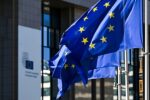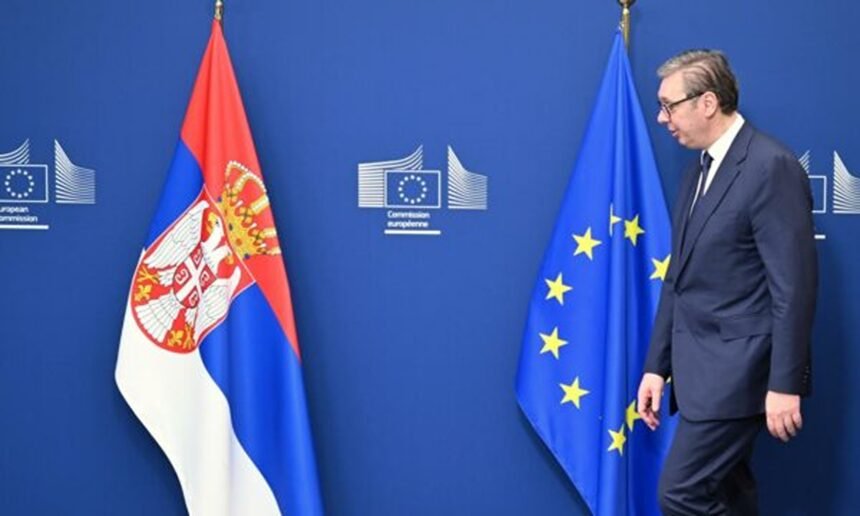
n a move that significantly escalates tensions between Brussels and Belgrade, the European Union has officially suspended all financial payments to Serbia under the EU Growth Plan for the Western Balkans.
European Commissioner for Enlargement Marta Kos announced the decision on April 30, 2026, citing a serious “setback” in the independence and functioning of the Serbian judiciary. The freeze affects approximately €1.5 billion in loans and grants that were earmarked for the country’s development and pre-accession reforms.
The Trigger: Judicial Centralization
The primary cause for the suspension is a series of controversial legislative changes enacted by the Serbian government in early 2026. These reforms, aimed at “centralizing” the judiciary, have been widely condemned by local prosecutors and international monitors.
- Political Control: Critics argue the new laws strengthen the influence of President Aleksandar Vučić over the courts and weaken the independence of the Public Prosecutor’s Office for Organized Crime.
- Paralysis of Investigations: Under the new rules, dozens of specialized prosecutors are reportedly being reassigned, a move the EU fears will paralyze high-level corruption and organized crime cases.
“We have suspended all payments for Serbia under the growth plan because we are seeing a setback in the judicial system,” Commissioner Kos stated. “Until this is corrected, the country will not receive further financial support.”
A “Community of Values”
Commissioner Kos emphasized that EU funding is strictly conditional on the “Fundamentals”—the rule of law, democratic institutions, and an independent judiciary. During recent discussions in Washington and Brussels, she reiterated that the EU cannot afford to admit members who would “make the Union weaker.”
Secondary Factors Impacting the Freeze:
- Democratic Backsliding: Irregularities and violence reported during the local elections on March 29, 2026, have deeply eroded trust in Brussels.
- Foreign Policy Alignment: Serbia’s refusal to align with EU sanctions against Russia remains a major point of friction, with Brussels increasingly demanding that Belgrade stop “sitting on two chairs.”
- Repression of Media: Continued pressure on independent journalists and the crackdown on civil society activists were specifically cited by the Commission as evidence of a deteriorating democratic environment.
Financial Implications (April 2026)
The suspension leaves the vast majority of Serbia’s allocated funding “under a question mark.”
| Funding Component | Status | Amount |
| Initial Disbursement | Paid (Jan 2026) | ~€110 Million |
| Remaining Growth Plan | SUSPENDED | ~€1.5 Billion |
| Total Allocation | Under Review | €6.0 Billion (Regional Total) |
Official Reaction from Belgrade
Serbian Foreign Minister Marko Đurić responded by stating that Serbia plans to complete all technical procedures for EU integration by the end of the year but emphasized that the country would not “beg” for membership. However, economists warn that the loss of €1.5 billion could severely impact Serbia’s infrastructure projects and its green energy transition, which are heavily reliant on these EU grants.
The freeze will remain in place until the Venice Commission (the Council of Europe’s advisory body) issues a final opinion and the Serbian government demonstrates a genuine reversal of the judicial reforms.