A scathing 100-page report released yesterday, April 30, 2026, by the Bar Human Rights Committee (BHRC) of England and Wales has sent shockwaves through Kosovo’s legal and political landscape. The report, commissioned by the Kosovo Ombudsperson, Naim Qelaj, documents a series of “systemic violations” and structural imbalances within the Kosovo Specialist Chambers (KSC) in The Hague.
The analysis, conducted by independent British human rights experts, focuses primarily on the trial of former KLA leaders Hashim Thaçi, Kadri Veseli, Rexhep Selimi, and Jakup Krasniqi, who have been in detention for over five years.
1. “Judges Acting as Second Prosecutors”
One of the most damning findings concerns the perceived loss of judicial neutrality. The report notes that judges have spent an unprecedented amount of time questioning witnesses—often exceeding the time used by defense teams.
- Quantitative Bias: As of late 2024, the trial panel had spent 71 hours questioning witnesses, surpassing the individual time spent by three of the four defense teams.
- “Equality of Arms”: The BHRC argues that this behavior creates a “second prosecutor” in the room, forcing the defense to fight two opposing fronts simultaneously and violating the fundamental principle of a fair trial.
2. Detention as a Mandatory Rule, Not an Exception
The experts highlighted the “extraordinary” refusal of the court to grant provisional release.
- 100+ Requests Rejected: The report notes that over 100 requests for temporary release have been filed by the accused, and not a single one has been approved.
- Human Rights Breach: This “structural barrier” to release raises serious concerns regarding Article 5 of the ECHR (Right to Liberty). The report also criticized the denial of compassionate leave for family funerals and the excessive monitoring of family visits.
3. The “Conflict of Interest” with Funding Nations
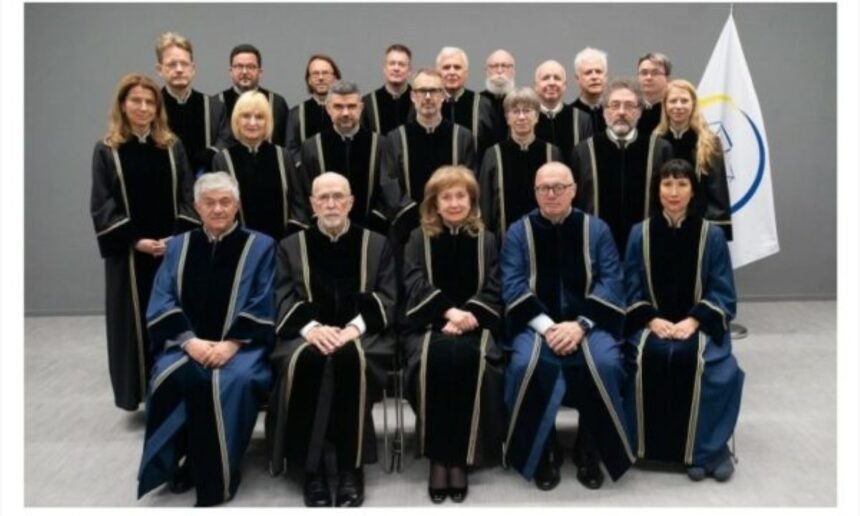
The BHRC raised concerns regarding the institutional independence of the court, noting that the judiciary is composed entirely of international judges from nations that are also the court’s primary financiers.
- Lack of Local Expertise: None of the judges have prior experience in Kosovo’s domestic criminal law or a deep understanding of the local war-time reality.
- Financial Perception: The report warns that when the trial panel reflects the court’s biggest donors, it creates a “seat at the table of justice” reserved only for those who can afford to support it.
4. Reliance on Serbian-Supplied Evidence
The report expresses deep skepticism regarding the court’s use of evidence provided by the Republic of Serbia.
- Non-Neutral Source: The experts point out that Serbia, a direct party to the 1998–1999 conflict, maintains an official policy of victimhood and does not recognize Kosovo’s independence.
- Authenticity Concerns: The BHRC argues that evidence from Belgrade cannot be assumed to be neutral and that its inclusion without rigorous verification threatens the legitimacy of the final verdict.
Recommendations: A New Oversight Mechanism
Given that the KSC has no external oversight, the BHRC recommends the immediate creation of a permanent, independent monitoring mechanism.
“The victims have waited decades for accountability, but justice must not only be done, it must be seen to be done,” the report concludes. “Errors in this field extend far beyond the courtroom walls, potentially affecting the fragile peace and stability of the entire region.”
The Kosovo Ombudsperson announced that the full report will be delivered to international diplomatic missions in Prishtina to advocate for structural reforms at the court before the final verdicts—expected by mid-July 2026—are delivered.