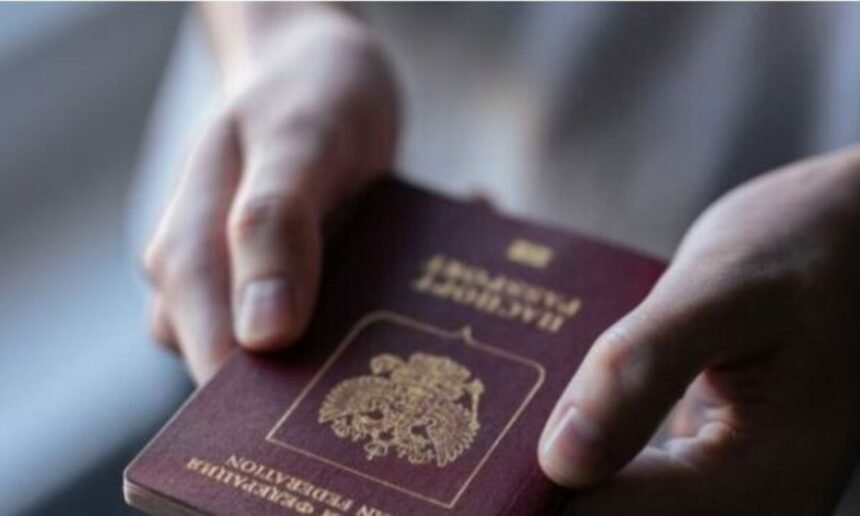
The European Border and Coast Guard Agency (Frontex) has issued a stark warning indicating that Russian and Chinese nationals are systematically exploiting visa-free travel regimes in the Western Balkans to facilitate irregular entry into the European Union.
In its newly published Strategic Risk Analysis for 2026/2027, Frontex singled out Serbia as the primary transit corridor for this specific migration pipeline. Alongside Bosnia and Herzegovina and Croatia, the region is facing mounting pressure from Brussels to harmonise local border policies with stricter EU-wide standards.
Air Route Exploitation and Non-Harmonised Regimes
According to the intelligence report, third-country nationals from Russia and China are capitalizing on the liberal visa laws maintained by specific Western Balkan states. Typically, individuals arrive via commercial air routes into regional hubs before attempting to cross overland into adjacent EU Member States.
Frontex analysts emphasized that despite targeted police crackdowns and seasonal shifts, these systemic abuses are projected to persist throughout 2026 and 2027. The agency warned that asymmetric visa requirements across non-EU European states create structural vulnerabilities that organized human-smuggling networks easily manipulate.
Frontex Regional Migration Analysis (2026/2027 Outlook)
========================================================================
Primary Risk Vector   --> Abuse of non-harmonised third-country visa policies.
Main Transit Hub      --> Serbia (Direct air-to-land pipeline).
Primary Nationalities --> Russian and Chinese citizens (Increasingly Turks).
EU Policy Directive   --> Demanding immediate visa alignment from Belgrade.
Operational Outlook   --> Migratory pressure expected to remain high through 2027.
========================================================================
Focus on Belgrade’s Defiance and Shifting Regional Dynamics
The core of the European union’s frustration remains centered on Belgrade. Since the outbreak of full-scale military aggression in Ukraine, tens of thousands of Russian nationals have legally relocated to Serbia. Local non-governmental organizations estimate that more than 67,000 Russian citizens secured temporary residence permits in Serbia by the conclusion of 2024 alone, while Chinese tourists continue to make up one of the largest visa-exempt demographics entering the country.
Brussels has repeatedly rebuked Serbian President Aleksandar Vučić’s administration for failing to align its foreign and border policies with the EU. Beyond refusing to implement economic sanctions against Moscow, Belgrade’s maintenance of a visa-free window for Russian nationals is viewed by EU security officials as a deliberate facilitator of secondary irregular migration movements.
The Fragmented Western Balkans Visa Landscape
As pressure from the European Commission intensifies, a clear geopolitical rift is opening across the Western Balkans regarding visa enforcement:
| Jurisdiction | Status for Russian Citizens | Status for Chinese Citizens | Alignment with EU |
| Serbia | Visa-Free | Visa-Free | Non-Compliant |
| Montenegro | Visa Required (Effective Sept 2026) | Visa Required (Conditional) | Transitioning |
| Kosovo | Visa Required | Visa Required | Fully Aligned |
| North Macedonia | Visa Required | Visa Required | Fully Aligned |
While Belgrade continues to resist changes, neighboring capitals are falling in line with EU mandates. Montenegro has officially confirmed it will impose mandatory visas on Russian passport holders by September of this year as part of its binding EU accession obligations. Meanwhile, Kosovo and North Macedonia have already fully closed their borders to unrestricted Russian and Chinese travel.
In addition to Russia and China, Frontex flagged Turkish nationals as another prominent demographic leveraging regional visa exemptions to establish a footprint in the Western Balkans before orchestrating irregular border crossings into the Schengen Zone later in the year.