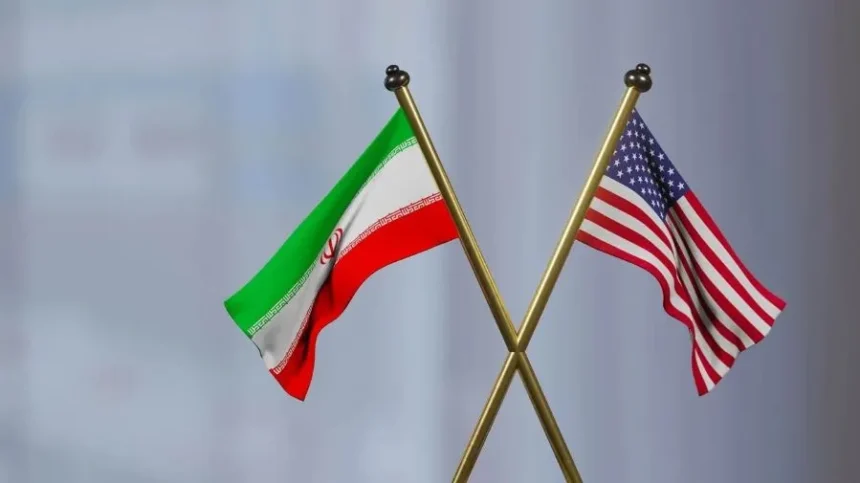
The Swiss Foreign Ministry has officially confirmed that the historic signing ceremony for the interim peace agreement between the United States and Iran will take place this Friday, June 19, 2026.
The text of the memorandum of understanding (MoU), which aims to bring an end to the monthslong war in Western Asia, will be formally signed at the ultra-luxury Bürgenstock Resort, a mountain complex overlooking Lake Lucerne in central Switzerland.
1. The Geopolitics of the Venue: Why Bürgenstock?
The selection of the mountainside resort was not accidental. According to Swiss diplomatic officials, the location was jointly proposed by international mediators and accepted by both Washington and Tehran due to its unique security advantages.
Strategic Advantages of the Bürgenstock Venue

 [ NATURAL ISOLATION ] ──► ELITE SECURITY
 • Perched on a steep ridge and surrounded by water on three sides, the resort is
   notoriously difficult to access, making it incredibly easy to cordon off for high-profile targets.

 [ THE MEDIATORS' CHOICE ] ──► PAKISTAN & QATAR
 • The specific Swiss location was put forward by Pakistani and Qatari mediators—who
   brokered the back-channel deal—and was quickly agreed upon by both combatants.

 [ PROVEN TRACK RECORD ] ──► DIPLOMATIC NEUTRALITY
 • Switzerland continues its traditional role as a neutral facilitating power, using the
   same resort that successfully hosted the high-level Ukraine Peace Summit in 2024.
2. What is inside the Unpublished Interim Deal?
While the final text of the agreement remains unpublished as world leaders meet at the G7 Summit in France, senior diplomatic sources have outlined the immediate operational steps triggered by the accord.
The Architecture of the Interim U.S.–Iran Accord
┌────────────────────────────────────────────────────────────────────────┐
│                                                                        │
│  [ SIMULTANEOUS DE-ESCALATION ] ───────────────────────────────────┐   │
│  • The deal starts with the immediate lifting of the two-month U.S.   │   │
│    naval blockade on Iranian ports, paired with Iran reopening the    │   │
│    Strait of Hormuz to international shipping lanes.                  │   │
│                                                                        │   │
│  [ RE-OPENING ENERGY VEINS ] ──────────────────────────────────────┤   │
│  • Unconditionally opening the Strait of Hormuz will allow global oil   │   │
│    and gas tankers to flow freely, relieving a crippling global       │   │
│    energy and price shock.                                             │   │
│                                                                        │   │
│  [ THE 60-DAY NUCLEAR CLOCK ] ─────────────────────────────────────┘   │
│  • Following Friday's ceremony, a 60-day window of direct negotiations  │
│    begins regarding Iran's nuclear program—specifically targeting the │
│    dilution or removal of its highly enriched uranium stockpile.       │
└────────────────────────────────────────────────────────────────────────┘
“We are not investing any money in Iran. The main focus of the deal is that Iran will not acquire a nuclear weapon, and ‘all hell’ will rain down on the country if it does.”
— U.S. President Donald Trump on the sidelines of the G7 Summit
3. Looming Complications Ahead of Friday’s Signing
Despite the diplomatic breakthrough, major regional complications and domestic political resistance are threatening the long-term viability of the pact before the ink is even dry:
| Critical Flashpoint | Political Alignment | Strategic Risk |
| The Lebanon Contingency | Iranian diplomats insist the deal requires a total withdrawal of Israeli forces from southern Lebanon. | Israel has rejected this condition. Far-right ministers state Trump’s agreement does not bind Israel, risking a swift return to all-out war. |
| U.S. Domestic Oversight | President Trump announced he is open to sending the emerging agreement to the U.S. Congress for a formal vote. | Domestic opposition remains sharp. Former Vice President Kamala Harris has dismissed the deal as a hollow, temporary “concept.” |
| The Second-Stage Hurdles | Chinese Foreign Minister Wang Yi warned his Pakistani counterpart that the next phase of nuclear talks will be far more difficult. | Beijing cautions that the current consensus is not a final destination, but a fragile starting point requiring UN Security Council intervention. |
Iranian top negotiator Mohammad Bagher Ghalibaf is scheduled to arrive in Switzerland to represent Tehran at the signing table. Whether this document translates into a durable Middle Eastern peace framework or a brief pause in hostilities depends heavily on the upcoming 60-day nuclear verification timeline.