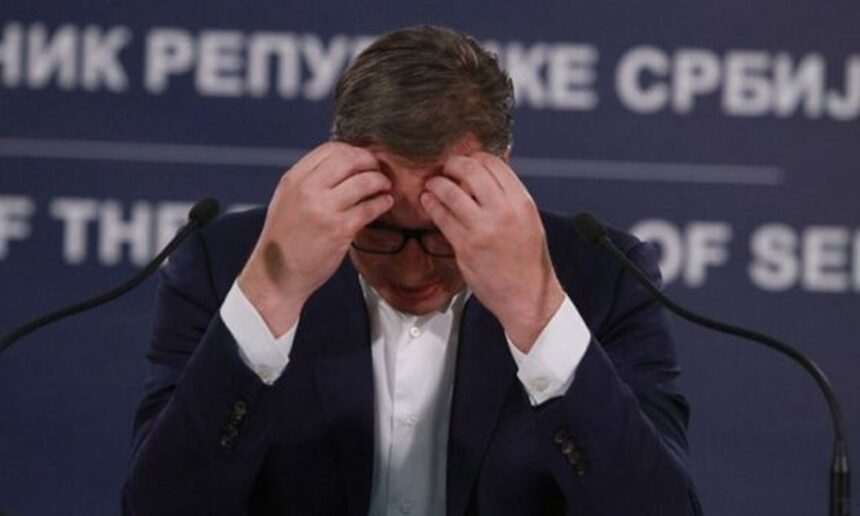
In a scathing analysis for the 111th edition of Politika, EU law expert Vladimir Medović warns that Serbia is increasingly mirroring the trajectory of Georgia—a country whose EU path was frozen due to the erosion of democratic freedoms and the rule of law.
According to Medović, the “arrogance” with which the Serbian authorities adopted and implemented the controversial “Mrdić Laws” (despite explicit warnings from Brussels) has finally pushed the European Commission to consider suspending financial aid to Belgrade.
Beyond the Money: A Geopolitical Rift
The potential loss of funds isn’t just about the €1.5 billion allocated through the Growth Plan for the Western Balkans. Medović points out that EU Enlargement Commissioner Marta Kos is now questioning whether Serbia qualifies for any EU financial instruments at all, including the €200 million in annual IPA (Pre-accession Assistance) grants.
The crisis is fueled by more than just legislative disputes. Brussels has noted:
- The police raid on the Rectorate of the University of Belgrade.
- Widespread violence during recent local elections.
- Ongoing threats against journalists and media suppression.
- Geopolitical defiance: Publicly boasting of close ties with Moscow and resisting sanctions against Russia.
The New Methodology as a “Trap”
Medović reminds readers that President Aleksandar Vučić personally accepted the New Enlargement Methodology in 2020. This framework allows for “corrective measures” in cases of prolonged stagnation or democratic backsliding. These measures range from reopening closed chapters to a total suspension of the accession process.
“Informally, negotiations with Belgrade have been on ice for over four years,” Medović writes. “Now, the European Commission is considering official sanctions for the first time.”
Is a Reset Possible?
The European Commission’s patience appears to have run out. Commissioner Marta Kos stated that Serbia cannot count on EU funds until it:
- Fully implements Venice Commission recommendations on judicial laws.
- Ensures free and fair elections.
- Guarantees freedom of expression and media.
While the government has promised to follow the Venice Commission’s lead, Medović remains skeptical. He argues that in an election year, the ruling party will prioritize “survival at any cost” over EU integration.
“Aside from European money, that path has never truly interested them,” Medović concludes.