In a major financial move aimed at easing travel burdens for the diaspora, the newly elected Kosovo government approved the allocation of €3 million to fully subsidize border insurance costs, widely known as the “Green Card” (Kartoni i Gjelbër) scheme.
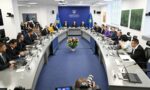
The decision was officially passed on Wednesday morning, June 24, 2026, during the same high-profile cabinet meeting where Prime Minister Albin Kurti announced the landmark war crimes arrests regarding the Reçak Massacre. The financial package was brought forward as an urgent directive by the Minister of Finance, Labor, and Transfers, Hekuran Murati.
Key Operational Details of the Subsidy
The multi-million-euro scheme is designed to directly eliminate the out-of-pocket entry insurance fees that travelers from the diaspora traditionally face when driving into Kosovo, given that the country remains outside the international Green Card bureau network.
- Total Budget Allocated: €3,000,000
- Official Implementation Date: July 1, 2026
- Target Audience: All diaspora members and compatriots entering the territory of Kosovo via motor vehicles during the peak summer travel season.
The 2026 Border Insurance Subsidy Pipeline:
========================================================================
[June 24, 2026] --> Finance Minister Murati proposes €3M allocation; Cabinet approves.
[July 1, 2026]  --> State-backed "Green Card" waiver officially takes effect at borders.
[Summer 2026]   --> Diaspora travelers enter Kosovo with zero out-of-pocket insurance costs.
========================================================================
Sustaining the Economic Lifeline
The approval of this subsidy comes as part of a broader macroeconomic strategy by the newly structured third Kurti cabinet to maintain deep institutional ties with its massive expatriate community. The diaspora represents a vital economic pillar for Kosovo, injecting hundreds of millions of euros annually into the local economy through direct summer tourism, real estate investments, and family remittances.
By stepping in to cover these commercial insurance premiums with state funds, the Ministry of Finance aims to streamline border crossings, eliminate notorious seasonal traffic bottlenecks at border checkpoints, and provide immediate, tangible financial relief to families returning home for the summer.