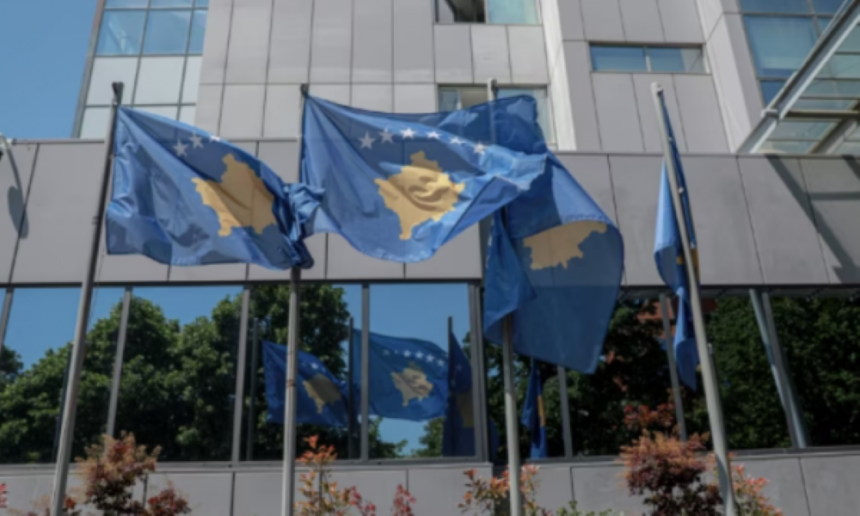
As constitutional deadlines for the formation of Kosovo’s new government begin to run, the country’s political scene is facing severe pressure. Public attention is locked on crucial, behind-the-scenes negotiations as political parties scramble to find common ground and avoid a catastrophic institutional deadlock.
While no official dates for formal coalition talks have been made public, political analysts confirm that intense backchannel negotiations are actively underway to secure a path forward.
The Cost of Failure: Economic and Constitutional Risk
With legal timelines pressing, local experts warn that political parties can no longer afford to prioritize partisan interests over the stability of the country.
“There is no more time or justification for any political entity to claim they cannot reach an agreement. It is the absolute final moment for them to realize that the state faces the risk of bankruptcy.”
— Mazllum Baraliu, Constitutional and Political Analyst
Melos Kolshi from the Kosovo Democratic Institute (KDI) echoed these warnings, urging political leaders to prioritize the national interest over party-political agendas to keep the state functioning.
Where Key Party Leaders Stand
The current push for a compromise follows a series of high-level meetings convened on July 10 by acting Prime Minister Albin Kurti, who met separately with opposition leaders:
- Lëvizja Vetëvendosje (LVV) & Albin Kurti: Seeking to build a stable majority and secure a consensus candidate for the presidency.
- Democratic League of Kosovo (LDK) & Lumir Abdixhiku: Both Kurti and Abdixhiku expressed readiness to continue talks to negotiate a viable governance agreement.
- Democratic Party of Kosovo (PDK) & Bedri Hamza: Following his meeting with Kurti, Hamza firmly reiterated that PDK intends to remain in the opposition, ruling out a formal coalition role but leaving the door open to how they might position themselves during crucial parliamentary votes.
What is at Stake?
Unlike standard legislative cycles, Kosovo’s current political deadlock threatens immediate constitutional and financial paralysis:
| National Priority | Immediate Risk of Deadlock |
| State Budget | Without a functional parliament and cabinet, critical state disbursements and international financial agreements risk immediate suspension. |
| The Presidency | The election of a consensual president is vital; failure to secure a quorum for this vote would automatically trigger fresh snap elections. |
| International Integration | Prolonged domestic instability stalls critical diplomatic processes and dialogue with international partners. |