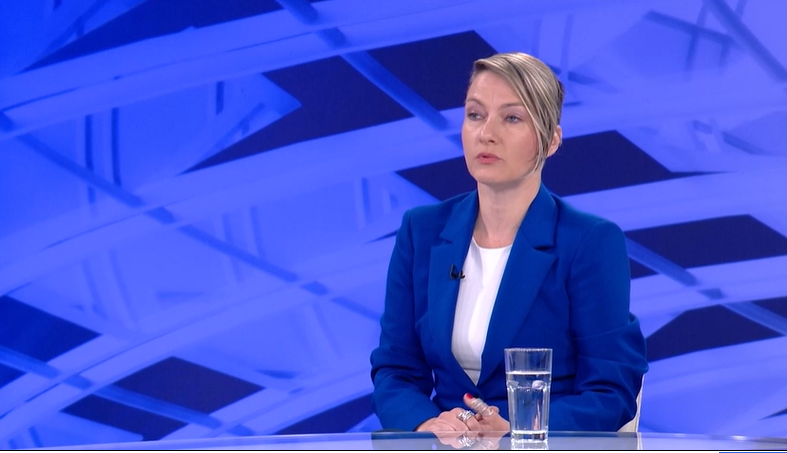
In a sobering assessment on World Press Freedom Day, Professor Aleksandra Krstić described the current media climate in Serbia as a “war against journalists,” noting that the country has entered a “free fall” regarding media liberties.
During an interview with N1, Krstić discussed her aptly titled book, War Against Journalists, explaining that the title reflects the aggressive reality of political pressure and the incitement of hatred toward independent media.
The Three Fronts of Media Warfare
According to Krstić, the media landscape is currently divided into three warring factions:
- The Government: Applying systematic political and economic pressure.
- Pro-Government Media: Functioning as a “propaganda machine” used to attack and discredit independent colleagues.
- Professional Journalists: A dwindling group struggling to maintain integrity in a hostile environment.
Serbia vs. Mexico: The Statistical Collapse
Krstić highlighted Serbia’s dramatic descent in the World Press Freedom Index. In 2011, Serbia was ranked around 60th place globally. Today, it has plummeted to 104th.
- The Comparison: Krstić noted that Serbia is now ranked in the same “dark orange” category as Mexico, a country notorious for physical violence and systemic danger to journalists.
- The Cause: While economic factors play a role, Krstić identified political pressure as the primary driver of this “sunovrat” (downfall).
Character Assassination and Autocensorship
The Professor specifically addressed the recent targeted attacks by pro-regime tabloids against N1 journalist Žaklina Tatalović. She characterized these campaigns as more than just professional disagreements; they are attempts at “destroying a personality” to silence critical voices.
“The most common consequence of such environments is that journalists eventually resort to autocensorship,” Krstić warned, explaining that the mental toll of constant public disparagement often forces reporters to pull back from sensitive stories.
The report concludes that without a fundamental shift in political rhetoric and the cessation of using media outlets as weapons for character assassination, Serbia’s media freedom will continue its rapid decline.