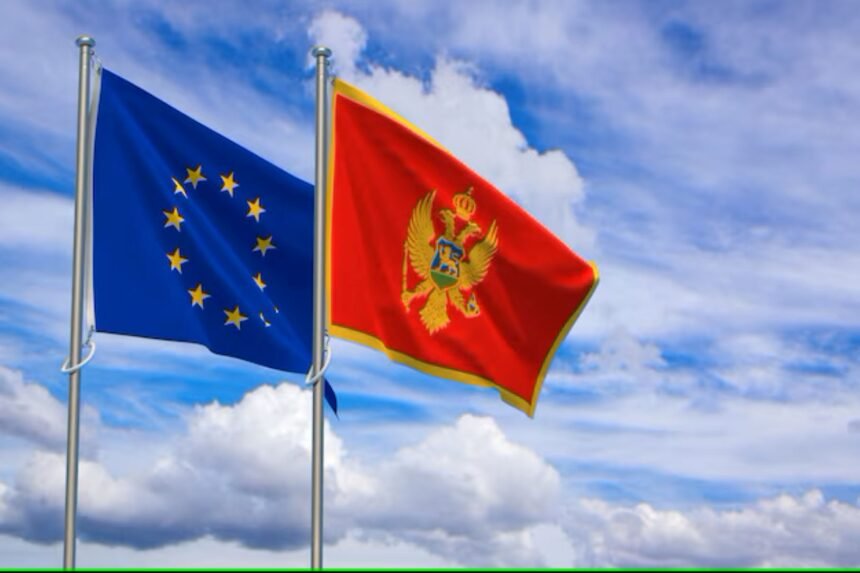
Montenegro has achieved a historic milestone in its quest to join the European Union. On April 22, 2026, ambassadors from the 27 EU member states agreed to begin formal work on the nation’s Accession Treaty, signaling that Podgorica is now in the final stretch of the integration process.
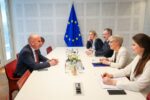
During a pivotal meeting in Brussels, the member states decided to establish an “ad hoc working group” tasked specifically with drafting the legal framework for Montenegro’s entry. While technically a procedural step, officials emphasize it is the most significant indicator of political readiness since the start of negotiations.
A “Powerful Message” for the Western Balkans
The decision was announced by the spokesperson for Cyprus, which currently holds the rotating Presidency of the EU Council.
“We are convinced that this will send a powerful message that membership is achievable for our enlargement partners,” the spokesperson stated, highlighting the shift toward concrete action in the EU’s expansion strategy.
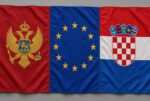
Montenegro, alongside Albania, is currently leading the regional race for integration. This move positions Podgorica to become the first new member of the union since Croatia joined in 2013.
The Roadmap to 2028
Montenegro has demonstrated consistent progress across various policy sectors, managed through the EU’s complex “chapters” system:
- Current Status: 14 out of 35 negotiation chapters have been successfully closed.
- The Goal: The Montenegrin government aims to close all remaining negotiations by the end of 2024.
- Timeline for Entry: If negotiations conclude this year, the treaty will undergo a ratification process (typically lasting 1–3 years), clearing the way for Montenegro to become the 28th EU member state by 2028.
Reaction from Podgorica
The news was met with celebration by Montenegrin leadership. Maida Gorčević, the Minister for European Affairs, characterized the development as a definitive validation of the country’s reform efforts.
“Extraordinarily good news is coming from Brussels. The establishment of the working group is yet another confirmation that we are on the right track for Montenegro to become the 28th member of the European Union by 2028,” Gorčević declared.
Why This Matters
The move to draft a treaty is rare and suggests that the EU is satisfied with Montenegro’s progress in key areas such as the rule of law, economic stability, and judicial independence. For the broader Western Balkans, this serves as a critical “proof of concept” that the EU’s “open door” policy remains a reality for states that meet the rigorous accession criteria.