Once a minor player in the global arms trade, Portugal has transformed into a surprisingly robust military industrial hub over the last five years. With a turnover reaching €2.1 billion last year and providing roughly 20,000 jobs, the “Small Portugal” defense sector is now a serious contender on the European stage.
However, as the country moves to modernize its aging air force, it faces a geopolitical and industrial crossroads: stick with its traditional American allies or pivot toward a “European-first” strategic autonomy.
The Military Business Cycle
According to José Neves of the AED Cluster Portugal, the sector is experiencing an unprecedented upward trend. Portugal is currently on a massive buying spree to meet the NATO goal of spending 5% of its GDP on defense, including:
- Frigates from Italy.
- Tanks from Germany.
- Military Transport Aircraft from Brazil’s Embraer.
The Fighter Jet Dilemma: F-35 vs. Gripen E
The most significant decision involves replacing Portugal’s 28 aging F-16s, some of which are over 30 years old.
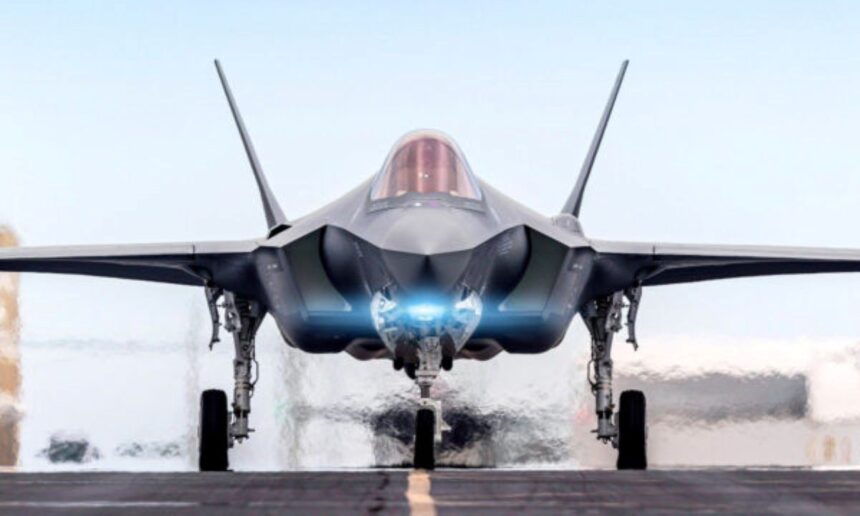
- The American Option (F-35): Long considered the frontrunner, the Lockheed Martin F-35 is the technological gold standard. However, Defense Minister Nuno Melo recently questioned the deal, citing concerns over U.S. reliability as an ally under the Trump administration.
- The European Option (Gripen E): Sweden’s Saab is aggressively pitching the Gripen E as a “truly European solution.” Unlike the U.S. approach, Saab offers deep industrial integration, proposing that Portuguese companies like OGMA and Critical Software help build and maintain the jets.
Portuguese Tech at the Forefront
Portugal is no longer just a buyer; it is a high-tech supplier.
- Critical Software: This firm, which grew from a three-person office to 5,000 employees, is developing the flight simulator and an AI co-pilot for the Gripen E. They already collaborate with giants like BMW, Airbus, and Rheinmetall.
- Tekever: A leading drone manufacturer whose systems are currently being used on the battlefields of Ukraine.
- Strategic Exports: Portuguese communication systems and drones are exported worldwide, proving that the “Made in Portugal” label is now synonymous with military reliability.
The “Azores” Factor: Can Portugal Say No to Washington?
Despite the industrial benefits of choosing a European jet, experts like Bruno Oliveira Martins from PRIO (Oslo) suggest that Lisbon’s hands might be tied.
Martins points to Portugal’s “uncritical” support for the U.S. use of the Lajes Air Base in the Azores during the ongoing conflict between the U.S. and Iran. This dependency suggests that Portugal may lack the political autonomy to “anger” Washington by choosing a non-American fighter jet, even if the European alternative offers better local economic returns.
The Final Call
Minister Nuno Melo must now decide if Portugal will prioritize the cutting-edge technology of the F-35 or the industrial sovereignty and partnership offered by the Gripen E. As Neves puts it, the message from Lisbon is clear: “You can rely on Portugal.” The question remains: who will Portugal choose to rely on?