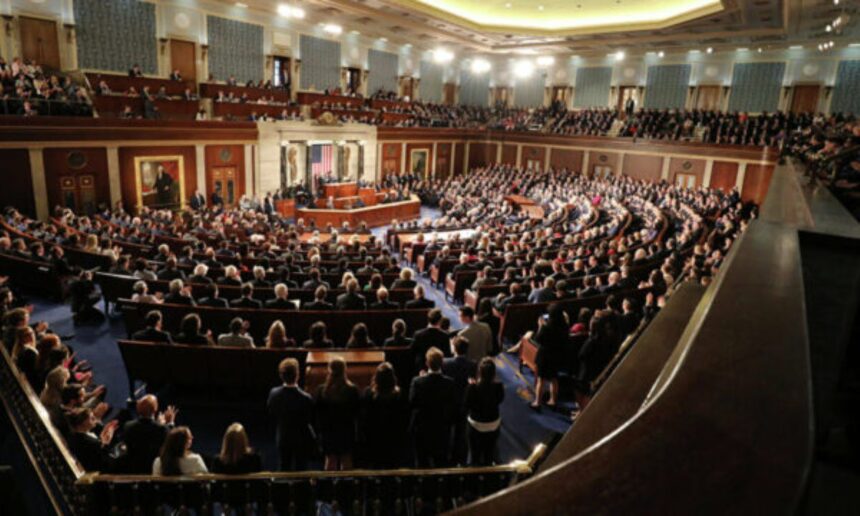
In a high-stakes legislative battle, the United States Senate narrowly defeated a resolution on Wednesday, May 13, 2026, that sought to mandate the withdrawal of U.S. forces from the ongoing conflict with Iran. The vote concluded with 49 in favor and 50 against, reflecting a deeply divided chamber.
The resolution was a direct attempt by Democrats to reassert congressional authority over military engagements and limit the executive war powers of President Donald Trump.
Key Highlights of the Vote
While the majority of Republicans stood by the President, the vote saw significant cracks in party unity:
- Republican Defectors: Three Republican senators joined the Democrats in voting for the withdrawal.
- Lisa Murkowski’s Shift: For the first time since the conflict began on February 28, Senator Lisa Murkowski (R-AK) voted against the administration. She cited a lack of clear information from the White House regarding the situation on the ground as the reason for her shift.
- The 60-Day Rule: Under U.S. law, a President can initiate military action but must seek Congressional approval within 60 days. Democrats argue this deadline has passed, while the Trump administration maintains the “conflict” is technically over due to a declared ceasefire, despite troops remaining in the region.
The Constitutional Debate
The defeat of the resolution centers on a fundamental constitutional dispute: who has the power to wage war?
- The Democratic Stance: Senators like Jeff Merkley and Tim Kaine argue that the President is overstepping his bounds and that the legislative branch must approve any prolonged military presence.
- The Trump Administration Stance: The White House argues that current operations are defensive or transitional following the “armistice,” and thus do not require a new declaration of war.
What’s Next?
Despite the defeat, Democrats signaled they have no intention of backing down. Senator Tim Kaine stated that the minority party plans to introduce similar resolutions every week until the Senate formally declares that the U.S. should no longer be involved in the war.
With the vote margin sitting at a single seat, the administration is under increasing pressure to provide a transparent exit strategy or risk losing its slim majority support in future sessions.