Serbia’s opposition has argued that the government cannot call early parliamentary elections while a pending parliamentary motion of no confidence against the government remains unresolved.
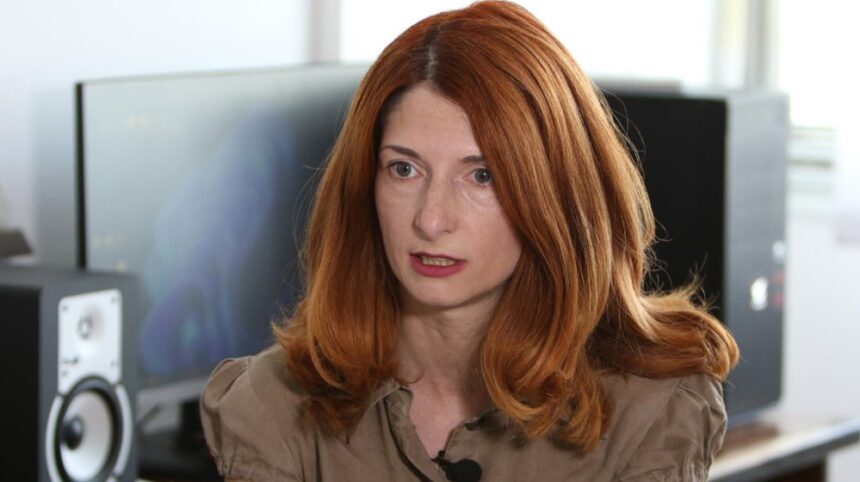
Biljana Đorđević, co-chair of the Green-Left Front (ZLF), said the government is legally unable to trigger snap elections until parliament concludes proceedings on the opposition’s request for a no-confidence session, which media reports suggest could take place next week.
Speaking to Nova newspaper, Đorđević explained that Prime Minister Đuro Macut could resign, which would automatically bring down the government. However, under Serbian law, a 30-day period would then begin for the formation of a new government. If no new cabinet is formed within that timeframe, early parliamentary elections would be called.
“If Macut does not resign, they do not have to wait 30 days and can instead choose the timing of elections that suits them,” she said.
Đorđević argued that the ruling coalition is unlikely to support the opposition’s no-confidence motion, as doing so would effectively endorse the opposition’s initiative.
“I expect the ruling MPs to vote in favor of the government. Once that procedure is completed, if they decide they want elections, they will have a free hand to call them, which they cannot do until the parliamentary session is concluded,” she stated.
The no-confidence motion was submitted in February by lawmakers from several opposition parties, including the People’s Movement of Serbia (NPS), the Party of Freedom and Justice (SSP), the Green-Left Front (ZLF), Serbia Centre (SRCE), We – The Strength of the People, the Ecological Uprising, the Movement for the Restoration of the Kingdom of Serbia (POKS), the Free Citizens Movement (PSG), and the Party of Democratic Action of Sandžak (SDA Sandžak).
The initiative was launched over the “Generalštab” affair, but the parliamentary session has been postponed three times after lawmakers from the ruling majority declined to provide the quorum needed for the debate to proceed.
The dispute comes amid growing speculation over the possibility of early parliamentary elections in Serbia later this year.