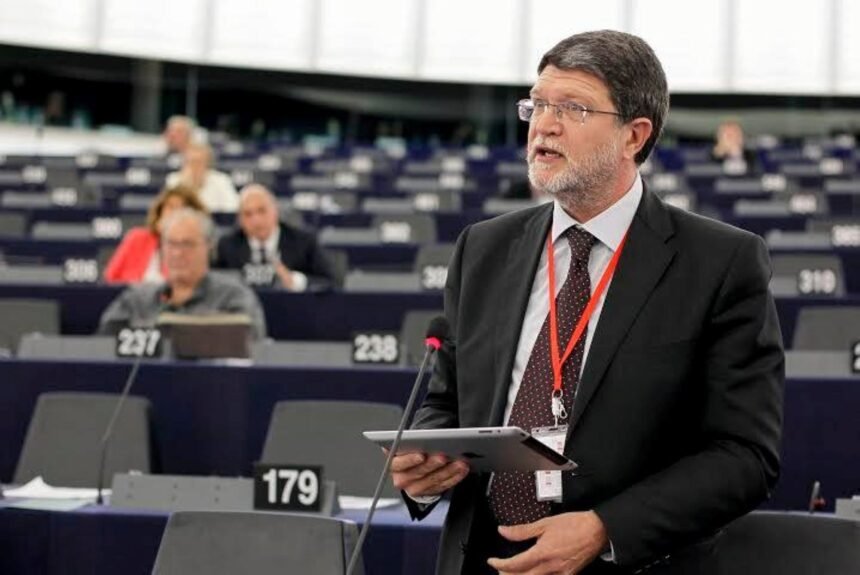
In an exclusive interview with the research and media center Demostat, Tonino Picula, a Member of the European Parliament representing the Socialists and Democrats (S&D) group and the European Parliament’s Standing Rapporteur for Serbia, delivered sharp, uncompromising messages to official Belgrade.
Picula openly analyzed Serbia’s total stagnation on its European path, accused the ruling regime of actively sabotaging institutional communication, and offered a deeper look into how EU enlargement has fundamentally transformed into a core mechanism for geopolitical security.
1. Enlargement as a Geopolitical Shield and Security Strategy
Addressing the role of the European Union amidst the fifth year of the war in Ukraine and escalating instability in the Middle East, Picula stressed that the era of purely technical, bureaucratic box-ticking is over. Today, enlargement is treated as a strategic and defensive necessity.
The Revamped Logic of European Union Enlargement (According to Picula)

 [ BEYOND THE RULES ]       ──► STRATECHIC SHIELD
 • Integration is no longer just about passing laws; it has evolved into a
   primary matter of regional security, collective defense, and global influence.

 [ GEOPOLITIICAL VACUUMS ]  ──► THE DANGER OF DELAY
 • Brussels fully recognizes that any hesitation in the Western Balkans opens
   the door for aggressive, hostile foreign actors in Europe's backyard.

 [ ALLIANCE OF VALUES ]     ──► FOREIGN POLICY ALIGNMENT
 • Total alignment with the EU's Common Foreign and Security Policy, alongside
   the rule of law, are now non-negotiable baselines for any state partnership.
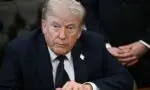
“We are living through the longest period without enlargement in EU history. Russia’s war of aggression against Ukraine, combined with a return to unilateralism personified by U.S. President Donald Trump, is tearing down the rules-based international order. In these threatening times, the EU must expand its interests and build alliances with countries that share our policies.”
— Tonino Picula, EP Rapporteur for Serbia
2. The Belgrade Gridlock: Media Attacks, “Three Serbias,” and Frozen Funds
As the primary European official tasked with assessing Serbia’s progress, Picula laid out alarming details regarding the structural collapse of institutional dialogue with Belgrade, while floating the real possibility of financial penalties against Aleksandar Vučić’s regime.
Key Anchors of Serbia's Democratic and Institutional Crisis
┌────────────────────────────────────────────────────────────────────────┐
│                                                                        │
│  [ REGIME SABOTAGE OF THE EP ] ────────────────────────────────────┐   │
│  • Ruling authorities flatly rejected cooperation with Picula, launching│   │
│    an unprecedented state-media smear campaign while ignoring that the │   │
│    EP must grant final ratification for any future accession treaty.   │   │
│                                                                        │   │
│  [ ELECTORAL & MEDIA ERASURE ] ────────────────────────────────────┤   │
│  • Local elections held in late March proved Serbia remains miles away │   │
│    from fair ODIHR standards, marked by systemic pressure on independent│   │
│    media, civic activists, and political opposition.                   │   │
│                                                                        │   │
│  [ FREEZING THE GROWTH PLAN ] ─────────────────────────────────────┘   │
│  • The latest EP report explicitly demands the European Commission freeze│
│    EU taxpayer funds under the Growth Plan due to Vučić's destabilizing│
│    influence (e.g., deploying suspicious security groups to Montenegro).│
└────────────────────────────────────────────────────────────────────────┘
3. The Future of the Union: Post-2028 Budget, Multi-Tier Membership, and Montenegro
Shifting focus to internal dynamics within Brussels, Picula confirmed that while the EU is debating structural changes and crafting the post-2028 multi-annual budget to prioritize defense and technological sovereignty, it will not sacrifice candidate quality for speed.
| Strategic Policy Vector | Current Status Within EU Institutions | Picula’s Structural Projection |
| The Post-2028 EU Budget | Intense negotiations are underway regarding fund allocations following post-pandemic recovery instruments. | Absolute priority will be given to security, defense, competitiveness, and strategic autonomy, while preserving traditional agricultural and cohesion support. |
| Multi-Tier/Two-Speed Membership | A French-German non-paper suggests gradual integration phases without granting initial veto rights to new states. | This model serves as an exploratory trial. The dominant consensus remains that there is no substitute for full membership, as any other approach would be unfair to frontrunners. |
| The Case of Montenegro | Montenegro is currently entering the final, technical closure phase of its accession negotiations. | Welcoming Podgorica into the EU before the end of this Commission’s mandate would revitalize the entire enlargement process, proving individual, merit-based reforms pay off. |
Rapporteur Picula concluded the interview by confirming that, despite the hostile environment generated by official Belgrade, he fully intends to visit Serbia again as part of his mandatory working preparations for the upcoming European Parliament report, reaffirming that the EU will not turn a blind eye to democratic backsliding.