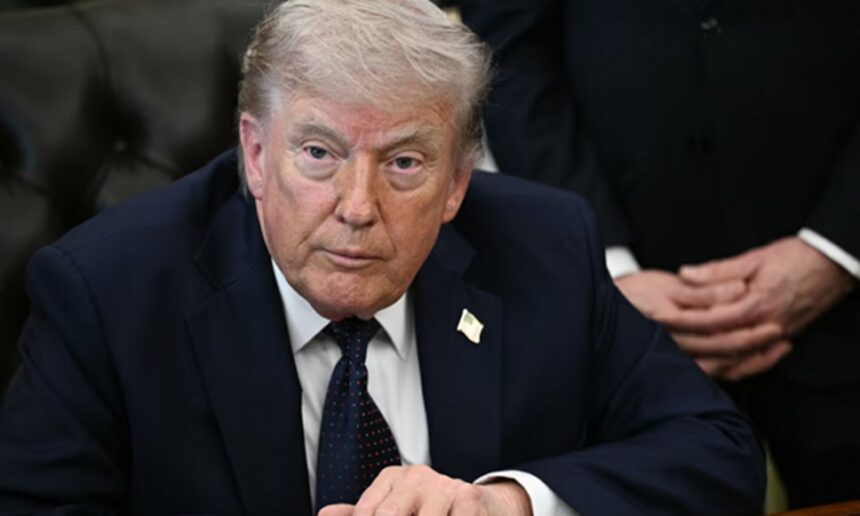
U.S. President Donald Trump leveled sharp criticism against Israeli Prime Minister Benjamin Netanyahu during high-stakes bilateral meetings at the G7 Summit, demanding that the Israeli leader act with “more responsibility in relation to Lebanon.”
The remarks, delivered on the sidelines of the summit in the French resort town of Evian-les-Bains, signal a distinct shift in rhetoric from Washington as the conflict in the Levant continues to escalate. President Trump noted that Israel has been engaged in active combat operations against the Iran-backed militant group Hezbollah for “far too long” and explicitly warned that “too many people are being killed.”
In an unexpected geopolitical twist, Trump suggested that Syria could “do a better job” handling the security challenge posed by Hezbollah, hinting at a potential diplomatic or regional re-alignment. The diplomatic friction at the G7 comes amid heightened military readiness across the region, with Iran’s military leadership issuing a direct warning of a “harsh response” should the Israeli offensive push further north.
1. The Rhetorical Pivot: Trump Clashes with Netanyahu over Lebanon
Trump’s blunt assessment during the closed-door G7 bilateral sessions exposes growing impatience within the U.S. administration over Israel’s prolonged military footprint in Lebanese territory.
Strategic Pillars of Trump's Leveraged Demands on Israel

 [ DE-ESCALATION MANDATE ] ──► HALTING INFRASTRUCTURE TOLL
 • Demanding an immediate reduction in the scale of kinetic operations in southern
   Lebanon, citing unacceptable levels of civilian displacement and casualties.

 [ THE SYRIAN CONTEXT ]    ──► OUTSOURCING REGIONAL POLICING
 • Floating the highly unconventional idea that Damascus should take a primary
   logistical role in containing Hezbollah's border operations.

 [ TRANS-ATLANTIC PRESSURE ]──► ALIGNING WITH G7 PARTNERS
 • Bringing the U.S. closer into alignment with European allies who have long
   demanded a negotiated ceasefire along the volatile Blue Line border.
“Israel has been fighting against Hezbollah for far too long, and too many people are being killed. Prime Minister Netanyahu must be more responsible in his approach to Lebanon.”
— U.S. President Donald Trump, speaking at the G7 Summit
2. The Regional Flashpoint: Syria and Iran Weigh In
Trump’s assertion that Syria should intervene to manage Hezbollah represents a complex geopolitical calculation. Because Damascus has historically relied on both Iranian and Russian support to sustain its own stability, forcing Syria to police a heavily armed Hezbollah could fundamentally alter the axis of resistance.
The Expanding Regional Escalation Matrix
┌────────────────────────────────────────────────────────────────────────┐
│                                                                        │
│  [ THE SYRIAN COMPLIANCE QUERY ] ──────────────────────────────────┐   │
│  • Analysts remain deeply skeptical whether Damascus possesses the     │   │
│    military capacity or political will to actively suppress Hezbollah. │   │
│                                                                        │   │
│  [ IRAN'S DIRECT WAR THREAT ] ─────────────────────────────────────┤   │
│  • Tehran's military command issued an official communique promising an │   │
│    immediate, "harsh response" if Israeli troops cross red lines.      │   │
│                                                                        │   │
│  [ THE CASUALTY BURDEN ] ──────────────────────────────────────────┘   │
│  • The UN reports a steep rise in casualties among Lebanese civilians  │
│    and peacekeepers, intensifying global pressure on Tel Aviv.         │
└────────────────────────────────────────────────────────────────────────┘
3. Strategic Analysis: Comparing U.S. and Regional Stances
The open friction between Washington and Jerusalem highlights a fundamental disagreement over the timeline and ultimate objectives of the military campaign in Lebanon.
| Geopolitical Actor | Official Strategic Position | Tactical Intentions |
| United States (Trump) | Demands strategic containment and a rapid wind-down of operations; advocates for regional state actors (like Syria) to enforce security. | Market & Diplomatic Stability: Seeking to prevent a wider regional war that could disrupt global energy trade and complicate the new US-Iran accord. |
| Israel (Netanyahu) | Insists on a comprehensive military campaign to push Hezbollah forces permanently north of the Litani River. | Domestic Security: Aims to eliminate cross-border missile threats to ensure the safe return of displaced citizens to northern Israel. |
| Iran & Axis of Resistance | Vows asymmetric military retaliation against Israeli infrastructure if the offensive continues. | Deterrence Preservation: Determined to maintain Hezbollah’s defensive capabilities as an active counterweight against Israel. |
With the G7 leaders pushing for energy market stabilization and diplomatic breakthroughs, Trump’s firm message to Netanyahu introduces a powerful new variable into the conflict. Whether Israel will adjust its military strategy in response to this direct pressure from its primary ally remains the critical question as regional tensions edge closer to a tipping point.