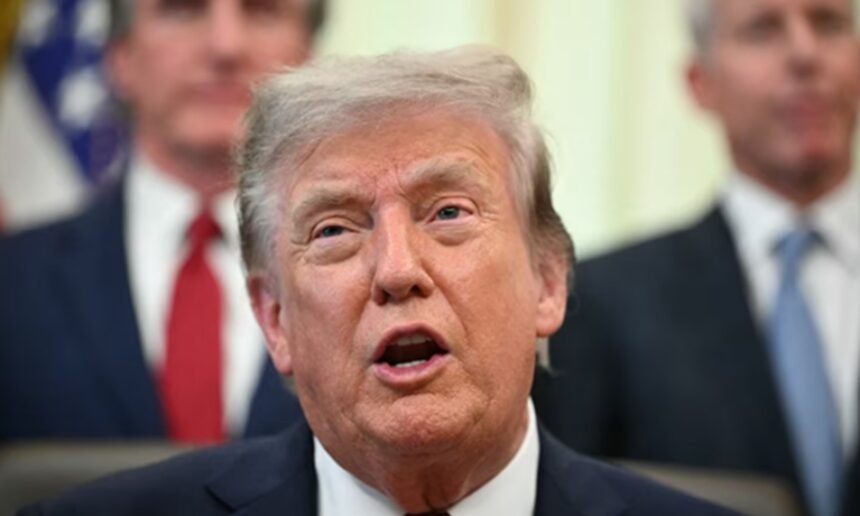
U.S. President Donald Trump said Thursday that Russian President Vladimir Putin would not attack any NATO member, while downplaying reports that CIA Director John Ratcliffe warned Russian officials against carrying out such an attack during his visit to Moscow earlier this week.
“He will not attack NATO territory,” Trump said when asked about Putin by reporters at the Oval Office.
Trump made similar comments a day earlier in a phone interview with Axios, saying he did not expect Russia to attack a NATO country and rejecting reports that Ratcliffe had traveled to Moscow specifically to deliver a warning to Russian officials.
“Ratcliffe meets with his Russian counterpart once every six months or once a year. They have a very good relationship. There was no message and there was nothing unusual,” Trump said.
The comments came after The Wall Street Journal reported Wednesday that Ratcliffe had traveled to Moscow to warn Russian officials against any attack on a NATO member.
Two people familiar with the matter separately told Reuters that Ratcliffe did raise the possibility of a Russian operation against a NATO member during his meetings in Moscow, although it remained unclear whether delivering such a warning was the primary purpose of his trip.
The reported discussion comes amid growing concerns among NATO members over Russia’s long-term intentions toward the alliance and warnings from Western officials that Moscow could test NATO’s collective defense commitments in the coming years.
Trump’s dismissal of the reported warning contrasts with the seriousness with which European governments have treated the possibility of a future Russian confrontation with NATO.
Ratcliffe’s visit nevertheless represents a rare high-level contact between U.S. and Russian intelligence officials, at a time when direct communication between Washington and Moscow remains closely watched because of the ongoing war in Ukraine and broader tensions between Russia and the West.