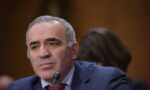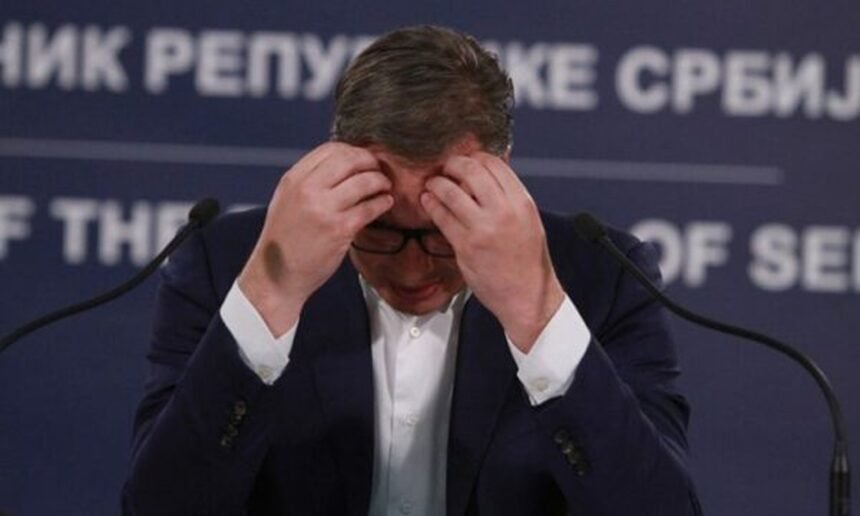
U.S. Congressman Bill Keating has said that a recently introduced bill addressing democracy, media freedom and electoral conditions in Serbia sends a clear message to Serbian President Aleksandar Vučić about the future of U.S.-Serbia relations.
Keating, the leading Democrat on the House Foreign Affairs Subcommittee on Europe and one of the two authors of the proposed Serbia Act, told N1 that democratic governance and the rule of law, as well as Belgrade’s relations with Russia, China and Iran, are crucial to further strengthening ties between the two countries.
“The bill sends a strong signal to President Vučić about the state of U.S.-Serbia relations and demonstrates that the key pillars connecting the American and Serbian peoples — democratic governance, the rule of law, media freedom, and free and fair elections — are essential to strengthening those relations,” Keating said.
The Massachusetts Democrat said he had been expressing concern for some time over what he described as insufficient attention by the administration of President Donald Trump to these issues within the U.S.-Serbia Strategic Dialogue.
“This legislation makes clear that Congress will not support another round of the Strategic Dialogue unless these issues are addressed,” Keating said.
He also argued that Serbia needs to do more to counter the influence of Russia, China and Iran.
“I believe Serbia must do more to confront the influence of Russia, China and Iran, and this bill reminds the Serbian government that the U.S. Congress is closely monitoring developments in the region,” he said.
Keating emphasized that the proposed legislation has bipartisan backing, having been introduced by lawmakers from both major U.S. parties. He also thanked Republican Congressman Joe Wilson for leading the process alongside him.
Serbia Act calls for possible sanctions
The Serbia Act, introduced by Wilson and Keating on August 27, comes shortly after Washington and Belgrade launched their Strategic Dialogue on July 16.
The bill remains only a legislative proposal and would have to pass both chambers of Congress before being signed by President Trump to become law.
Among other measures, the proposal calls for sanctions and visa restrictions against individuals accused of undermining democratic processes, peace, stability or territorial integrity in the Western Balkans.
The legislation also directly raises concerns about Vučić’s responsibility for the alleged excessive use of force against demonstrators and proposes sanctions against the Serbian president if he fails to respond to student anti-corruption demands and does not sever or significantly reduce ties with Russia, China and Iran.
The proposal states that the United States has a “lasting interest” in a stable, democratic and sovereign Serbia committed to regional peace and security, firmly anchored in Euro-Atlantic institutions and free from malign foreign influence.
The legislation could therefore place additional pressure on Belgrade at a sensitive moment, as Serbia seeks to deepen cooperation with Washington through the newly established Strategic Dialogue while maintaining close relations with Moscow and Beijing.
For now, however, the Serbia Act remains a proposal rather than U.S. law, meaning its provisions are not yet binding on the Serbian government or President Vučić.