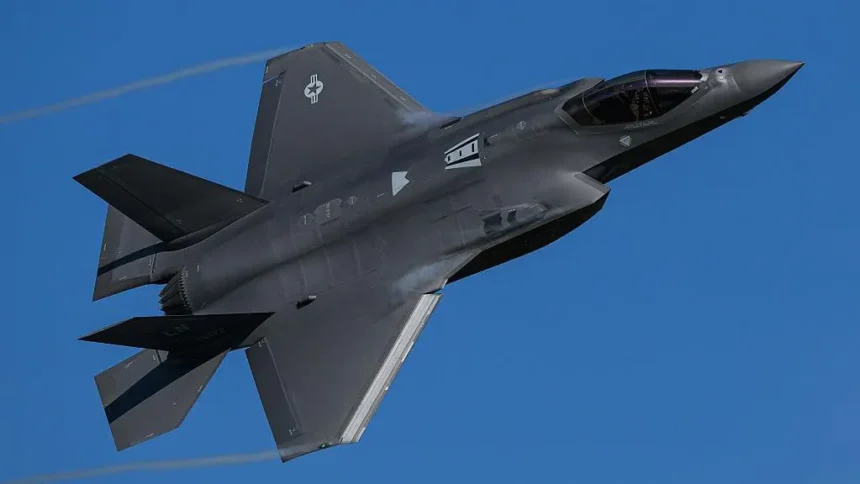
The United States military has executed a series of fresh targeted airstrikes in southern Iran, zeroing in on active Iranian missile sites and naval vessels attempting to deploy sea mines in critical shipping lanes.
According to a formal statement released by U.S. Central Command (CENTCOM), the kinetic operations were conducted strictly in “self-defense” to neutralize immediate threats posed by Iranian forces to American troops stationed in the region.
Flashpoint Bandar Abbas: Keeping the Strait of Hormuz Open
The strikes heavily targeted positions near Bandar Abbas, a vital southern Iranian port city that hosts a strategic naval base directly overlooking the Strait of Hormuz—the world’s most critical maritime oil chokepoint. Iranian state media confirmed that local officials are actively investigating powerful explosions heard across the port district.
CENTCOM Spokesperson Captain Tim Hawkins emphasized that while the U.S. military responded decisively to the mine-laying threat, it remains committed to the broader regional ceasefire that took effect on April 8.
          [NGUSHTICA E HORMUZIT — CRISIS VECTOR]
                            │
                            ▼
 ┌──────────────────────────────────────────────────────┐
 │ U.S. STRIKE ZONE: Bandar Abbas Naval Outskirts        │
 ├──────────────────────────────────────────────────────┤
 │ IRANIAN ACTION: Attempted sea-mine deployment        │
 ├──────────────────────────────────────────────────────┤
 │ GEOPOLITICAL IMPREATIVE: Ensure free global transit  │
 └────────────────────────────────────────────────────────┘
U.S. Secretary of State Marco Rubio, speaking to reporters during an official state visit to India, fiercely defended the military action, linking it directly to international maritime law and global economic stability.
Secretary of State Marco Rubio on the Strikes: “The straits must be open. They will be open one way or the other… What is happening there is illegal, it is unsustainable for the world, and it is entirely unacceptable.”
The Diplomatic Paradox: High-Stakes Talks Continue in Qatar
Paradoxically, the escalation occurs as high-level diplomatic horse-trading continues behind closed doors. Parallel talks are taking place in Doha between Iran’s chief negotiator and foreign minister and the Prime Minister of Qatar.
The Framework Memorandum of Understanding (MoU) currently under review aims to secure a 60-day ceasefire extension, the definitive reopening of the Strait of Hormuz, and a roadmap for structured negotiations over Iran’s nuclear capabilities.
       [Proposed U.S.-Iran De-escalation Framework]
                            │
   ├─► Ceasefire ───────────► 60-day formal extension
   ├─► Maritime Corridors ──► Full reopening of the Strait of Hormuz
   └─► Nuclear Red Lines ───► Relocation or destruction of enriched Uranium
However, expectations are being managed cautiously on both sides:
- The Iranian Stance: Iranian Foreign Ministry Spokesperson Esmail Baqai tempered expectations, noting that while substantial progress has been made on bulk text, “a final signature is by no means imminent.”
- The U.S. Stance: Secretary Rubio confirmed that President Donald Trump remains committed to a diplomatic exit ramp, but with a strict caveat: “He will either make a great deal, or no deal at all.”
The Leadership Vacuum: Mojtaba Khamenei in Hiding
According to U.S. intelligence reports cited by CBS News, a major roadblock hampering the speed of the diplomatic track is a deep communication vacuum within the Iranian high command.
Iran’s Supreme Leader, Mojtaba Khamenei—who assumed power and was wounded during the devastating opening salvos of the war on February 28, which killed his father and predecessor—is reportedly operating from a highly secure, undisclosed underground bunker. His deep isolation has severely disrupted the command-and-control loop, delaying direct feedback to Iranian envoys negotiating in Qatar.
The Ultimate Red Line: Weaponized Uranium
If a preliminary agreement is reached, complex systemic issues will be pushed to secondary rounds, including the unfreezing of Iranian foreign assets and phased sanctions relief. However, the absolute core of the immediate friction remains Iran’s nuclear stockpiles.
At the outbreak of hostilities, Iran was estimated to possess 440 kilograms of uranium enriched to 60% purity—a dangerous technical threshold easily upgraded to 90% weapons-grade material.
President Donald Trump issued a strict ultimatum, dictating that Iran’s highly enriched stockpiles must either be handed over “immediately” to the United States or, preferably, systematically destroyed on-site in coordination with international inspectors.