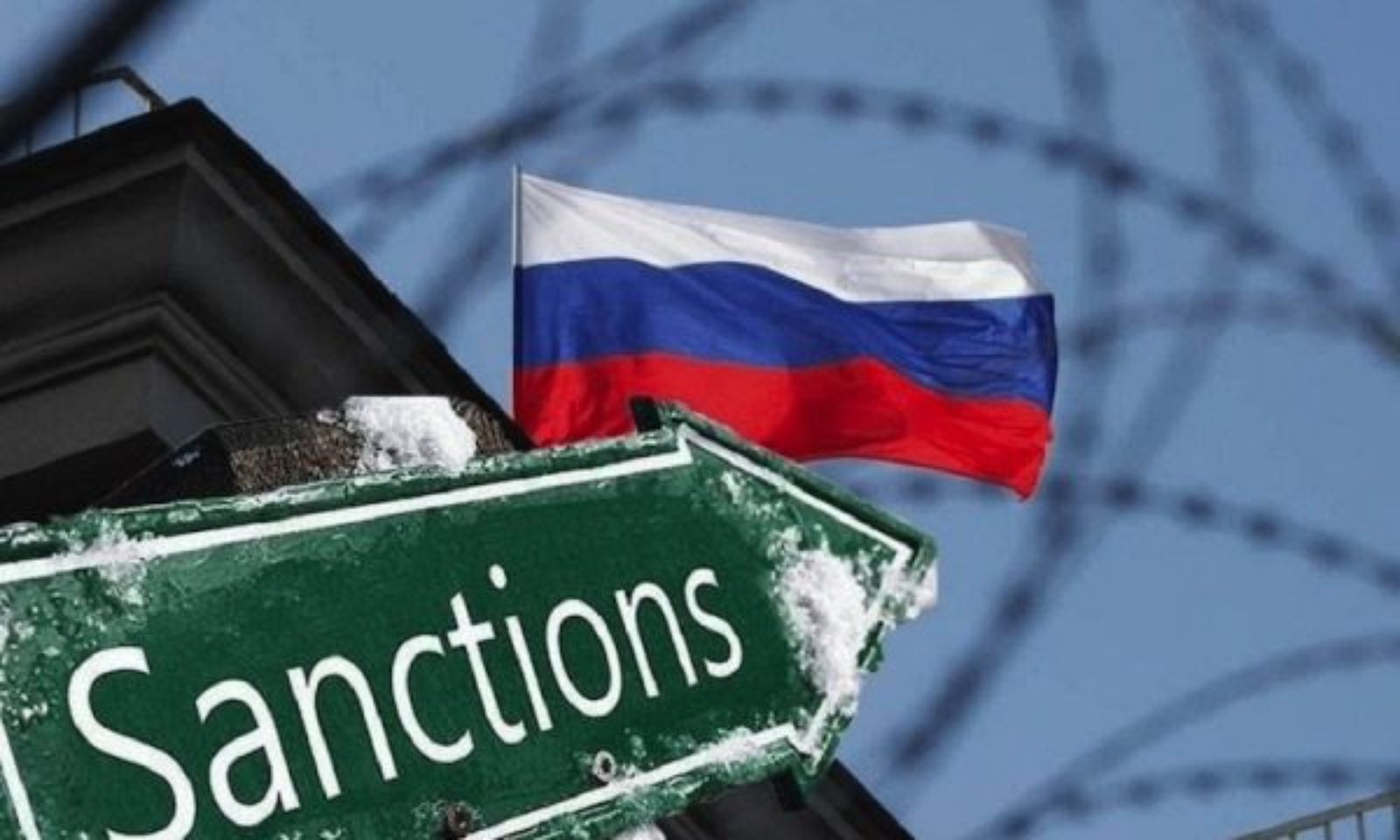
The U.S. Senate has overwhelmingly approved the first procedural step to advance a new sanctions package targeting Russia, paving the way for further consideration of legislation aimed at increasing economic pressure on Moscow.
The bill, now officially titled the “Lindsey O. Graham Russia Sanctions Act of 2026,” passed the procedural vote by 86 votes to 12. Eleven Democrats and Republican Senator Rand Paul voted against the measure.
The legislation was renamed in honor of the late Senator Lindsey Graham, a longtime advocate for Ukraine, who died unexpectedly following an aortic rupture. His sister, Darline Graham, who was appointed to fill his Senate seat, is among the bill’s leading sponsors.
In a joint statement issued before the vote, lawmakers backing the legislation said its passage would be a fitting tribute to Graham’s political legacy and steadfast support for Ukraine.
The bill would grant U.S. President Donald Trump expanded authority to impose sanctions on Russian officials, foreign nationals, and financial institutions linked to Russia’s defense industry.
It also authorizes tariffs of up to 500 percent on Russian imports, as well as tariffs of up to 100 percent on countries and companies that continue purchasing Russian oil, natural gas, and other energy products.
Another provision targets Russia’s so-called “shadow fleet,” giving the president additional powers to sanction vessels used to circumvent restrictions on Russian energy exports.
Senator Jeanne Shaheen said the legislation is designed to cut off Russian President Vladimir Putin’s primary source of funding for the war in Ukraine.
Although the procedural vote marks a significant step forward, the bill must still clear additional stages in the Senate before a final vote. It would then need approval in the House of Representatives before being sent to President Trump for his signature.
Several Democratic senators who opposed the measure argued that it grants the president overly broad authority in the area of trade tariffs. Meanwhile, the White House confirmed that President Trump supports the package, which also includes provisions to expand sanctions against Iran.