Kosovo’s Institute for Crimes Committed During the War (IKKL) has released its preliminary report documenting victims of the 1998–1999 Kosovo war, identifying 12,230 war-related fatalities during the period from January 1, 1998, to June 20, 1999.
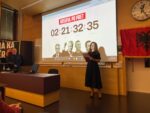
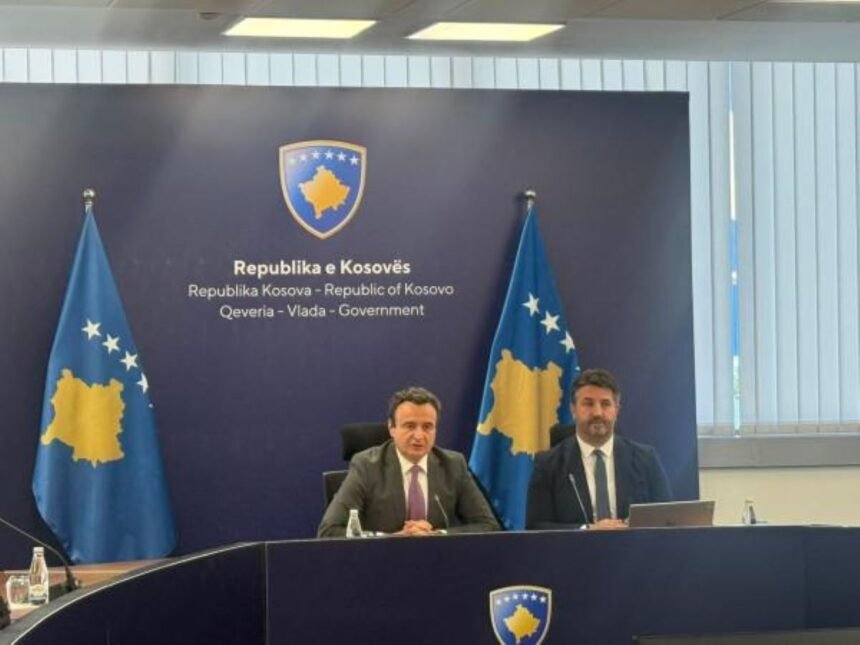
Presenting the report, Acting Prime Minister Albin Kurti said the documented victims include 1,047 children who were killed, while 94 children died as a result of wartime conditions. He added that the fate of approximately 100 children who remain missing is still unknown.
Kurti noted that nearly 9,000 people were killed during the most intense phase of the conflict between March and June 1999.
He said the report outlines the methodology used to compile the victim database and explains the process of collecting and verifying information. According to Kurti, the list remains preliminary and will continue to be updated as new evidence and testimonies become available.
“Without documentation, there can be no memory, no justice, and no lasting peace,” Kurti said, calling on individuals with relevant information to cooperate with the institute.
The acting prime minister also criticized Serbia for failing to implement the Declaration on Missing Persons agreed in Brussels on May 2, 2023, and for refusing to open military archives that could help clarify the fate of those still missing.
Kurti urged the international community to increase pressure on Serbia to reverse its decision to classify military documents until 2044 and to grant access to the archives of the 37th Motorized Brigade of the former Yugoslav Army, which he said could contain crucial information about missing persons in Kosovo.
IKKL Director Atdhe Hetemi explained that the report excludes 267 cases that had appeared in previous victim lists because those individuals were killed outside the territory of Kosovo.
“This exclusion does not deny their status as victims, but reflects the fact that they do not meet the geographical criteria established for this report,” Hetemi said.
According to Hetemi, the report was compiled using institutional records, testimonies from victims’ families, and additional research conducted by the institute, following the principles of completeness, comparability, traceability, and data integrity.
The demographic analysis shows that the majority of documented victims were male, with those aged between 18 and 50 representing the largest affected group. Children and people over the age of 65 were also among the most vulnerable categories.
Geographically, the regions of Gjakova, Mitrovica, and Prishtina recorded the highest number of war victims, while the Gjilan region registered the lowest number.
The report also found that the overwhelming majority of fatalities occurred in 1999, particularly during the first half of the year, when the conflict reached its deadliest stage.
The Institute said the preliminary findings will continue to be expanded and refined as additional documentation and evidence become available.