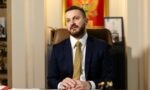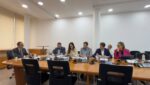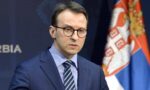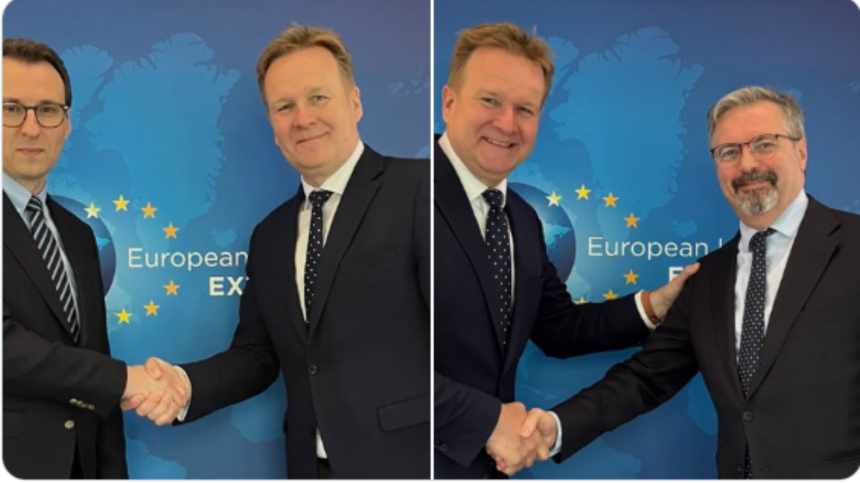
The European Union’s Special Representative for the Belgrade-Pristina Dialogue, Peter Sorensen, has announced the conclusion of intensive, separate meetings with chief negotiators Agron Bajrami (Kosovo) and Petar Petković (Serbia).
The discussions, held in Brussels, were aimed at stabilizing the dialogue framework and setting a concrete roadmap for the normalization of relations through the remainder of 2026.
Defining the Roadmap
Following the sessions, Sorensen emphasized that the meetings were “detailed” and focused on long-term planning rather than immediate technical fixes. The goal is to move past the recent cycle of tensions and establish a predictable schedule for high-level talks.
“This week we held separate and detailed meetings with both Chief Negotiators in Brussels to define our work plan for the normalization of relations between Kosovo and Serbia for the coming months,” Sorensen stated via his official channels.
The Two Tracks of Negotiation
While the meetings were held separately, the “Work Plan” is expected to address several critical pillars:
- Implementation of Past Agreements: Ensuring that previously signed deals—ranging from energy to freedom of movement—are fully operational.
- The Association of Serb-Majority Municipalities (ASM): Navigating the complex legal and political requirements for the establishment of the ASM.
- De-escalation Measures: Coordinating security protocols to prevent further incidents in North Kosovo.
- Formalizing Recognition Tracks: Setting the stage for eventual mutual recognition, as demanded by Pristina, and regional autonomy, as emphasized by Belgrade.
Pressure from Brussels
The announcement comes amid increasing pressure from both the EU and the United States for the two nations to show “constructive engagement.” International mediators are keen to finalize a sustainable framework before the end of the year to prevent the dialogue from stalling during various regional election cycles.
The EU has signaled that the progress made in these “coming months” will be directly linked to both countries’ integration paths and access to the EU Growth Plan funds.