Serbia has purchased CM-400 supersonic ballistic missiles from China, confirmed Serbian President Aleksandar Vučić, making it the first European country, after Pakistan, to acquire these long-range missiles. The move has raised concerns in neighboring Croatia and among NATO allies.
According to international arms registries, Serbia is the only European nation to possess these missiles, which can strike targets hundreds of kilometers away. Vučić stressed that Serbia has no intention to attack anyone but confirmed that the army already has “a considerable number of missiles” and plans to acquire more. Specific details about the purchase, including costs and quantities, were not disclosed.
Military analysts note that the CM-400 missiles, with speeds up to five times the speed of sound, are difficult to intercept and represent a substantial increase in Serbia’s offensive capabilities. The range of the foreign version (CM-400 AKG) is approximately 250 kilometers, enabling strikes beyond the reach of many air defenses in the region.
Analyst Aleksandar Radić described the missiles as a “psychological-propaganda tool” that strengthens Serbia’s deterrence posture, emphasizing that the country currently lacks capacity for an offensive strike, given its surroundings of NATO member states.
Regional Reactions:
- Croatia expressed alarm, with Prime Minister Andrej Plenković pledging to alert NATO allies about the enhanced Serbian arsenal.
- Vučić responded by insisting Serbia does not intend to attack NATO countries and highlighted perceived threats from the 2025 defense cooperation agreement between Kosovo, Albania, and Croatia.
Integration and Procurement:
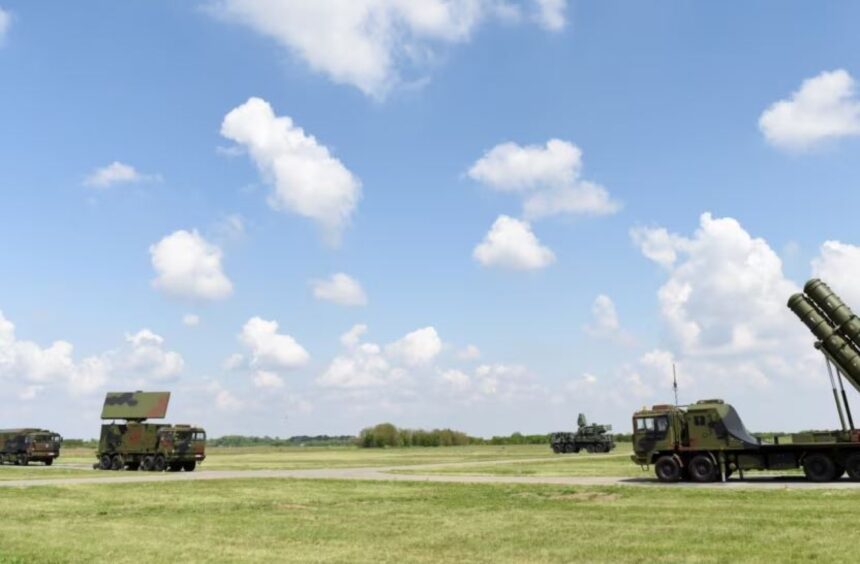
Photographs recently published on military forums showed Serbian MiG-29 jets equipped with CM-400 missiles, which Vučić confirmed were successfully integrated. Serbia has also imported drones and air defense systems from China in recent years, including CH92-A, CH-95, FK-3, and HQ-17 systems.
According to the Stockholm International Peace Research Institute (SIPRI), in the past five years, 61% of Serbia’s arms imports came from China, followed by France (12%) and Russia (7%). In the last two years, Chinese military imports for Serbia exceeded €240 million.
Strategic Implications:
Serbia’s growing reliance on Chinese weaponry highlights tensions between its ambitions to join the EU and its strategic military partnerships with Beijing. Analysts argue that when Serbia eventually joins the EU, agreements with third-party states, including China, may need to be re-evaluated.