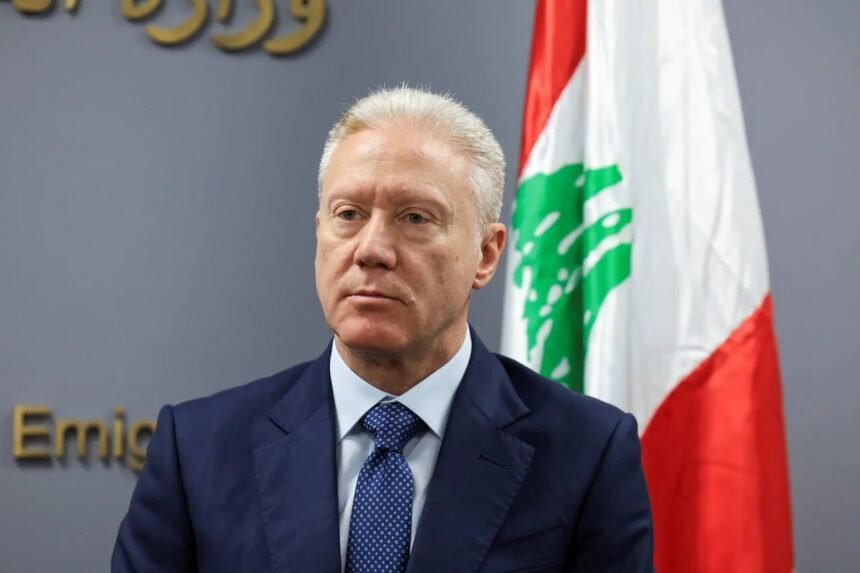
In a historic diplomatic shift, the Lebanese government has decided to engage in direct negotiations with Israel to secure a permanent ceasefire and the full withdrawal of Israeli forces from Lebanese territory.
Foreign Minister Youssef Raggi announced the decision on April 28, 2026, stating that the primary objective of these talks is the long-term stabilization of the border and the restoration of Lebanese sovereignty.
Escalating Tensions and Diplomatic Windows
The push for direct dialogue comes as the security situation remains volatile:
- Border Conflict: Hostilities between Israel and the militant group Hezbollah reignited on March 2, 2024, amid broader regional instability.
- U.S. Mediation: On April 23, the United States announced a three-week extension of a fragile, temporary ceasefire. However, this agreement did not formally include Hezbollah, leaving the peace highly precarious.
Internal Opposition from Hezbollah
Despite the government’s move toward formal diplomacy, the plan faces severe internal challenges. The leadership of Hezbollah has explicitly rejected the idea of direct talks with the “Zionist entity.”
The group’s leadership warned that direct engagement could undermine regional resistance and potentially lead to “greater instability” within Lebanon. This internal rift between the Lebanese state’s diplomatic goals and Hezbollah’s military stance remains the most significant hurdle to a lasting peace.
Key Negotiation Points
The Lebanese delegation is expected to focus on:
- Full Israeli Withdrawal: Ensuring no Israeli military presence remains on Lebanese soil.
- Permanent Ceasefire: Transitioning from temporary “windows of calm” to a legally binding end to hostilities.
- Border Demarcation: Addressing long-standing disputes over land borders to prevent future flare-ups.