The government of Cuba has issued a strong warning amid rising geopolitical tensions, declaring it is prepared to respond to any external threat, particularly from the United States.
President Miguel Díaz-Canel stated that any foreign aggression would be met with “firm and unbreakable resistance,” reinforcing Havana’s long-standing позиция on defending its sovereignty and independence. His remarks come in response to increasingly provocative rhetoric from U.S. President Donald Trump, who recently suggested the possibility of taking control of the island — a statement that has alarmed observers and intensified diplomatic friction.

The sharp exchange unfolds against the backdrop of a deepening crisis in Cuba. The island has been grappling with severe economic and energy challenges, exacerbated by U.S. pressure and restrictions on fuel supplies. Recent nationwide blackouts and shortages of basic goods have worsened living conditions and fueled social discontent.
A key factor in the crisis has been the disruption of oil supplies from Venezuela, historically a critical energy partner. Following shifts in regional dynamics and U.S. policy, Cuba has struggled to secure sufficient fuel, leading to prolonged electricity outages and economic instability.
Despite its internal vulnerabilities, Cuban leadership has maintained a defiant tone. Díaz-Canel has repeatedly emphasized that while Havana remains open to dialogue, it rejects negotiations conducted under pressure or threats, framing U.S. actions as coercive and destabilizing.
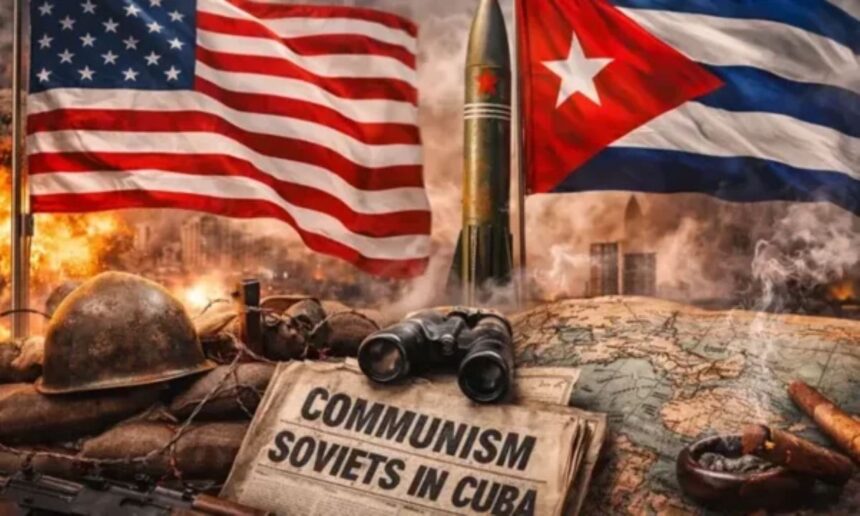
Analysts warn that the combination of aggressive rhetoric, economic hardship, and geopolitical maneuvering could further destabilize the region. While a direct military confrontation remains unlikely in the near term, the escalation in language and policy signals a deterioration in relations reminiscent of past Cold War-era tensions.