In the city of Bor, located in eastern Serbia, the massive expansion of the Chinese company Zijin Mining has become a focal point of both economic growth and intense environmental controversy.
A recent analysis by Radio Free Europe reveals the staggering scale of China’s presence in the region. Zijin Mining currently owns or utilizes over 34,000 plots of land across eastern Serbia. This vast portfolio includes active mines, processing plants, and expansive areas of forests and agricultural land, as well as various residential and commercial properties.
From Mining to Tourism: “Buying Social Peace”?
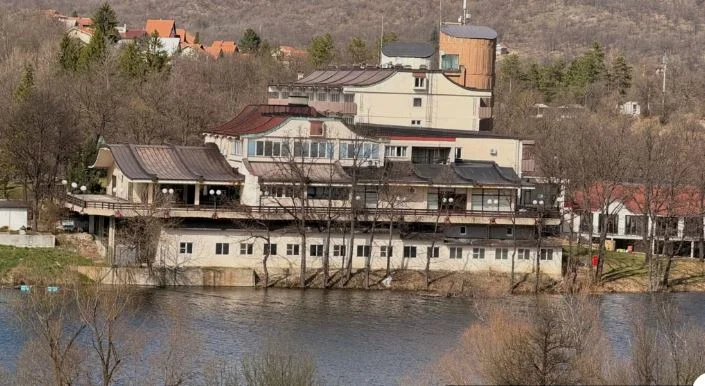
While the company’s primary focus remains the extraction and export of copper, it has diversified its local investments into the tourism sector. This includes the reconstruction of the “Jezero” hotel near Lake Bor and the management of other hospitality facilities.
However, these moves have drawn sharp criticism from local activists and experts:
- The “Social Peace” Argument: Activists like Jasna Tomić and engineer Dejan Lazar argue that these secondary investments are a calculated attempt to “buy social peace” and polish the corporate image in the face of ongoing pollution allegations.
- Public Asset Transfer: Critics claim that during the privatization of the former state complex, RTB Bor, high-value public assets were transferred to the Chinese firm under terms unfavorable to the Serbian public.
- Limited Benefits: Despite the company’s massive profits, activists contend that the real benefits to the local community are disproportionately small.
The Economic Reality vs. Environmental Concerns
The economic impact of Zijin’s operations is undeniable. The municipal budget of Bor has seen a significant increase, and the company remains one of Serbia’s top exporters—sending massive quantities of copper back to China. In 2025 alone, Zijin Mining reported profits exceeding €1.1 billion.
Key Figures and Facts:
- Land Use: Over 34,000 parcels under Chinese control.
- Exports: Zijin is a primary driver of Serbia’s export economy.
- Mining Rents: Despite the high yields, Serbia maintains one of the lowest mining rent rates in Europe, a point of frequent political contention.
- Public Sentiment: Residents are deeply polarized. While many welcome the improved infrastructure and higher living standards, others fear the long-term health effects of air pollution and the loss of fertile land.
Geopolitical Context: The “Iron Friendship”
The expansion in Bor is a direct result of the strategic partnership between Belgrade and Beijing. Presidents Aleksandar Vučić and Xi Jinping have frequently hailed the relationship as an “iron friendship,” solidifying Serbia’s role as a key hub for China’s “Belt and Road” Initiative in the Balkans.
Neither the Serbian authorities in Belgrade nor the management of Zijin Mining have provided official responses to recent inquiries regarding specific contract details or the long-term management of public assets. As China continues to expand its footprint, the balance between economic necessity and environmental sovereignty remains the most pressing issue for the people of eastern Serbia.