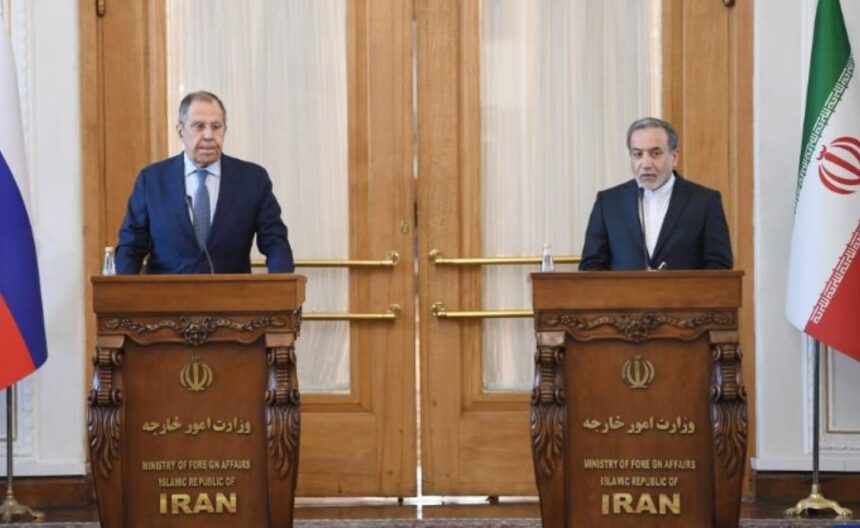
Russian Foreign Minister Sergei Lavrov and his Iranian counterpart, Abbas Araghchi, held a strategic telephone conversation today to discuss the fragile security situation in the Middle East, specifically focusing on the maritime stability of the Strait of Hormuz.
The diplomatic outreach comes at a critical moment as the current U.S.-Iran ceasefire, mediated by Pakistan on April 8, is set to expire this Wednesday, April 22.
Commitment to the Ceasefire
According to a statement from the Russian Foreign Ministry, Lavrov emphasized the urgent need to preserve the existing truce. He urged all parties to strictly adhere to the parameters initially agreed upon to prevent the conflict from escalating back into active military operations.
“The Russian side emphasized the necessity of maintaining the ceasefire and continuing diplomatic efforts to ensure regional stability,” the ministry noted.
Guarantees for Russian Shipping
A central theme of the call was the security of the Strait of Hormuz, one of the world’s most vital energy chokepoints. Amidst a reported U.S. naval blockade of Iranian ports and the recent seizure of an Iranian container ship, Tehran has sought to reassure its strategic partners.
Minister Araghchi confirmed that Iran is prepared to take all necessary measures to guarantee the unimpeded and safe passage of Russian vessels and cargo through the Strait. This commitment draws a clear line between nations Iran considers hostile and those it views as “friendly” partners, such as Russia, China, and India.
Broader Geopolitical Tensions
The conversation highlighted several key points of regional friction:
- U.S. Blockade: Iran briefed Russia on what it describes as U.S. violations of the ceasefire, specifically citing the naval blockade and the seizure of Iranian property in the Gulf of Oman.
- Economic Toll: The closure of the Strait has caused massive disruptions to global energy and fertilizer markets, with the UN warning of a threat to the global planting season.
- Pakistani Mediation: Both ministers acknowledged the role of Pakistan in brokering the current 14-day pause and stressed the importance of returning to the negotiating table before the Wednesday deadline.
As the ceasefire enters its final 48 hours, Moscow’s active involvement underscores its interest in keeping the vital maritime corridor open for its own exports while maintaining its role as a key diplomatic intermediary in the region.