The prospects for a renewed peace agreement between the United States and Iran have dimmed significantly ahead of Wednesday’s looming ceasefire deadline. Following the U.S. seizure of an Iranian cargo vessel over the weekend, Tehran has officially stated it has “no plans” for a second round of negotiations in Islamabad.
Diplomatic Deadlock in Islamabad
While sources close to the White House informed the BBC that a high-level U.S. delegation led by Vice President JD Vance is prepared to travel to Pakistan “soon,” the Iranian side has effectively pulled the plug on the meeting.
The initial two-week ceasefire, which began on the evening of April 7, is set to expire this Wednesday, April 22. Without a diplomatic breakthrough, the region faces an immediate risk of returning to active military conflict.
The “Touska” Incident: A Breaking Point
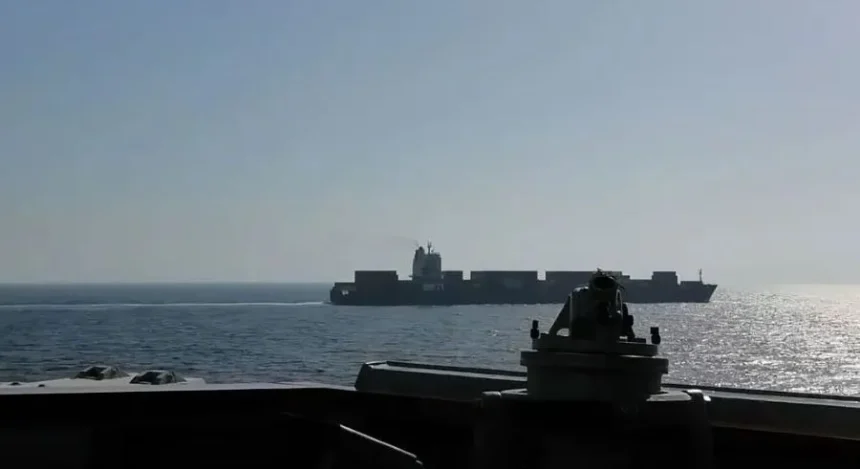
The primary catalyst for the current breakdown is the U.S. naval blockade of the Strait of Hormuz. Tensions reached a boiling point on Sunday when U.S. forces intercepted and seized an Iranian cargo ship, the M/V Touska.
- The U.S. Position: President Donald Trump justified the action as a necessary response to Iranian “provocations” and attempts to bypass international sanctions.
- The Iranian Response: Tehran has labeled the seizure an act of international piracy. Iranian officials maintain that they will not return to the negotiating table while their maritime trade is being physically obstructed by the U.S. Navy.
A Fragile Regional Landscape
The stalemate with Iran coincides with a highly volatile situation in Lebanon. A separate ceasefire between Israel and Lebanon, which began last Friday, is currently in its fourth day of a planned 10-day duration. Experts describe this truce as “fragile at best,” as any escalation in the Persian Gulf could quickly spill over into the Levant.
“There is no plan for a next round,” an Iranian official confirmed Monday evening, dismissing rumors of a scheduled sit-down in Pakistan.
What Happens on Wednesday?
If the deadline passes without an extension or a new memorandum of understanding:
- Resumption of Strikes: President Trump has previously warned that he would target Iranian infrastructure, including power plants and bridges, if a “real deal” isn’t reached.
- Maritime Gridlock: Iran has threatened to permanently close the Strait of Hormuz to all international traffic if its own ships are blocked.
- Global Economic Impact: Global markets are already reacting to the uncertainty, with energy prices fluctuating as the Wednesday night (Washington time) deadline approaches.