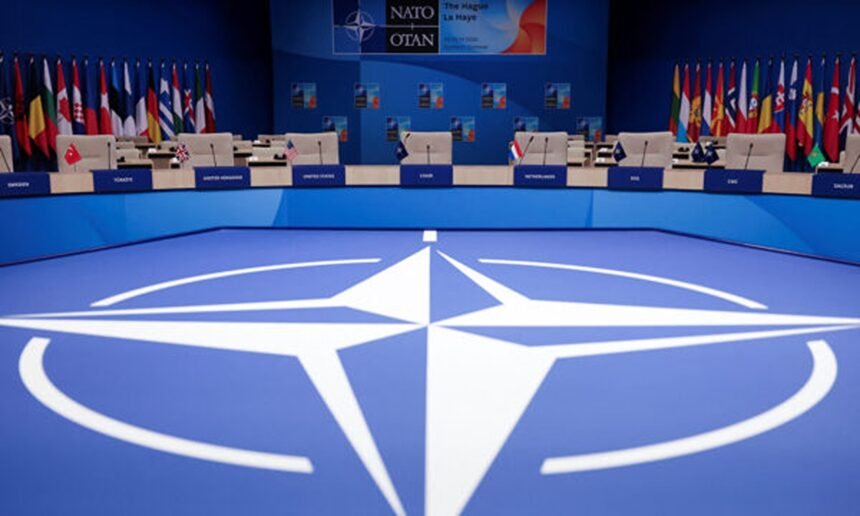
NATO has clarified that it has no legal mechanism to suspend or expel member states, following reports suggesting the United States could consider punitive measures against Spain over its stance on the conflict with Iran.
The clarification came after Reuters reported that a leaked internal Pentagon email had proposed options to penalize allies perceived by Washington as not sufficiently supporting its military campaign. The report was also cited by BBC.
According to NATO officials, the alliance’s founding treaty does not include any provisions for suspending or removing member states, effectively ruling out such a move.
Spain’s Prime Minister, Pedro Sánchez, dismissed the report, emphasizing that his government acts based on official positions rather than internal communications. He reiterated that Spain supports cooperation with allies, but strictly within the framework of international law.
Tensions have risen after Spain refused to allow the use of its military bases for operations targeting Iran. The United States maintains key installations in Spain, including Naval Station Rota and Morón Air Base.
Meanwhile, U.S. Secretary of Defense Pete Hegseth sharply criticized European allies, arguing that they rely too heavily on American military protection while contributing insufficiently to current operations.
Former President Donald Trump has echoed similar sentiments, previously describing NATO as a “one-way street” where the U.S. provides security guarantees without adequate support in return.
The internal memo reportedly also suggested reviewing U.S. diplomatic backing for the United Kingdom’s claim over the Falkland Islands—a long-disputed territory also claimed by Argentina and the subject of the Falklands War.
Despite the controversy, European leaders have pushed back against any notion of division within the alliance. Italian Prime Minister Giorgia Meloni called for unity, describing NATO as a “source of strength,” while German officials stressed that Spain’s membership is not in question.
The developments come amid ongoing geopolitical tensions linked to the conflict with Iran and the strategic importance of global energy routes such as the Strait of Hormuz, underscoring strains within the transatlantic alliance despite its continued cohesion.