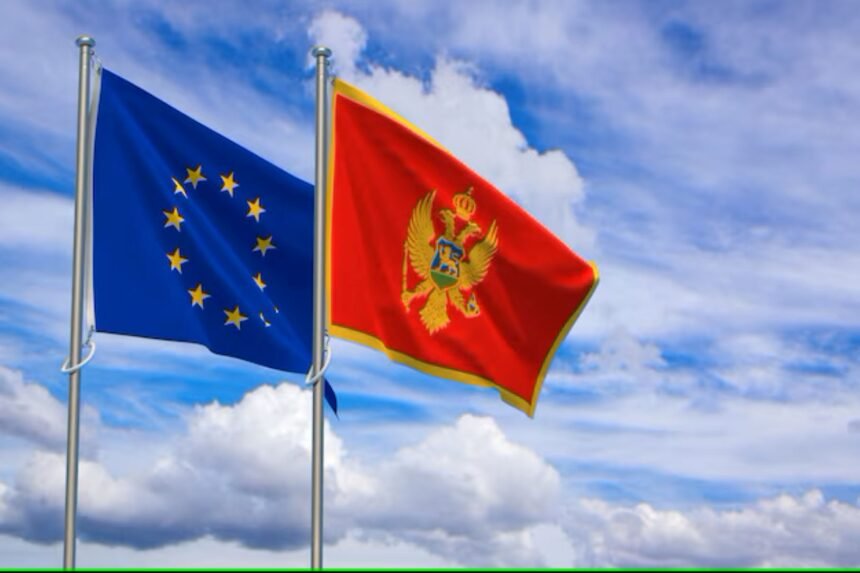
Montenegro is advancing constitutional reforms aimed at strengthening accountability and aligning with European Union standards, with a key proposal focusing on removing immunity for government members in cases of abuse of office.
The amendment, currently in parliamentary procedure, is part of broader efforts tied to the country’s EU accession process. It would eliminate legal protections that currently shield ministers from prosecution for criminal offenses related to their official duties.
According to Branka Marković, a lawmaker from the ruling majority, officials who carry out their responsibilities with integrity have no need for immunity.
“The law must be equal for everyone, both citizens and public officials,” she said, pointing to past cases where ministers were prosecuted for misuse of office.
Legal experts have also welcomed the proposal. Lawyer Branislav Lutovac described the reform as an important step in strengthening institutional integrity and combating high-level corruption. He noted that such changes could support progress in Chapter 23 of EU accession negotiations, which focuses on judiciary and fundamental rights.
The initiative aligns with recommendations from GRECO, as well as broader expectations from European institutions overseeing Montenegro’s path toward membership in the European Union.
Biljana Papović from the Ministry of European Affairs emphasized that the reform could help rebuild public trust in state institutions, demonstrating that public officials have nothing to fear if they act lawfully.
However, lifting immunity is only one part of a wider constitutional overhaul. Montenegro is also expected to introduce amendments regulating its future EU membership, including the transfer of certain national competences to institutions in Brussels and the primacy of EU law in specific areas.
These reforms are seen as essential steps for Montenegro as it seeks to advance its EU integration and meet the bloc’s governance and rule-of-law standards.