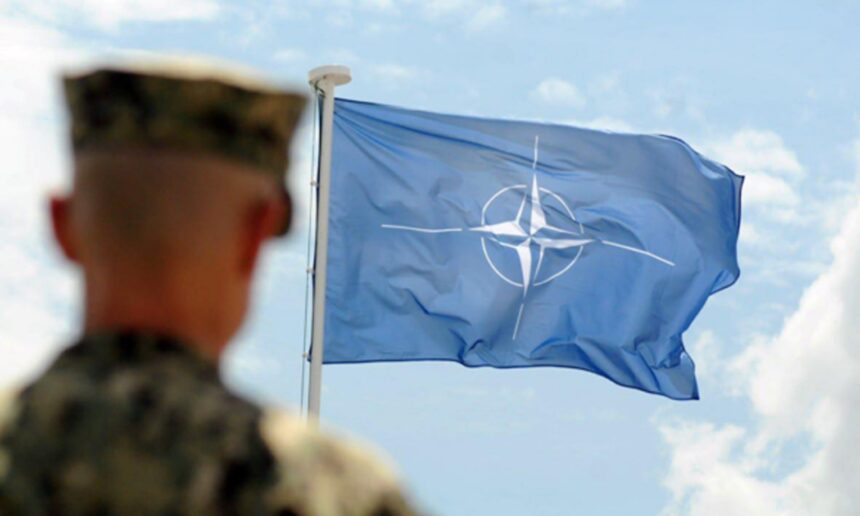
A high-ranking delegation from the NATO Military Committee is beginning a two-day official visit to the Republic of Kosovo today, April 27, 2026.
The visit is part of NATO’s ongoing commitment to regional stability and follows a series of high-level diplomatic engagements in the Western Balkans. The Kosovo Police have issued a public notice to ensure the visit proceeds smoothly and securely.
Traffic Alerts and Public Safety
To accommodate the delegation’s itinerary and ensure the security of the official escort, the Kosovo Police will implement the following measures today and tomorrow:
- Temporary Road Closures: Short-term traffic interruptions will occur on various road segments along the delegation’s route.
- Traffic Reorientation: Motorists may be redirected to alternative routes during peak movement times.
- Security Presence: Increased police patrols will be visible around the capital and at key meeting locations to maintain public order.
The Police have requested the cooperation and patience of all citizens and commuters during these brief disruptions.
Strategic Context of the Visit
The arrival of the Military Committee, NATO’s highest military authority, comes at a pivotal time for Kosovo’s security. Key focus areas for the delegation are expected to include:
- KFOR Operational Readiness: Assessing the posture of the NATO-led peacekeeping force in the wake of recent regional tensions.
- Security Cooperation: Strengthening ties with Kosovo’s security institutions.
- The “Banjska” Aftermath: Reviewing the security implications of the 2023 attack and the subsequent judicial outcomes that concluded earlier this week.
This visit follows the recent stay of the U.S. Ambassador to NATO, Matthew Whitaker, highlighting a period of intense international focus on the Western Balkans’ security architecture.
Who is the NATO Military Committee?
The Military Committee consists of the Chiefs of Defense from NATO member countries. It serves as the primary source of military advice to the North Atlantic Council (the political decision-making body of the alliance). Their presence in Pristina signals that Kosovo remains a top priority on NATO’s military agenda for 2026.