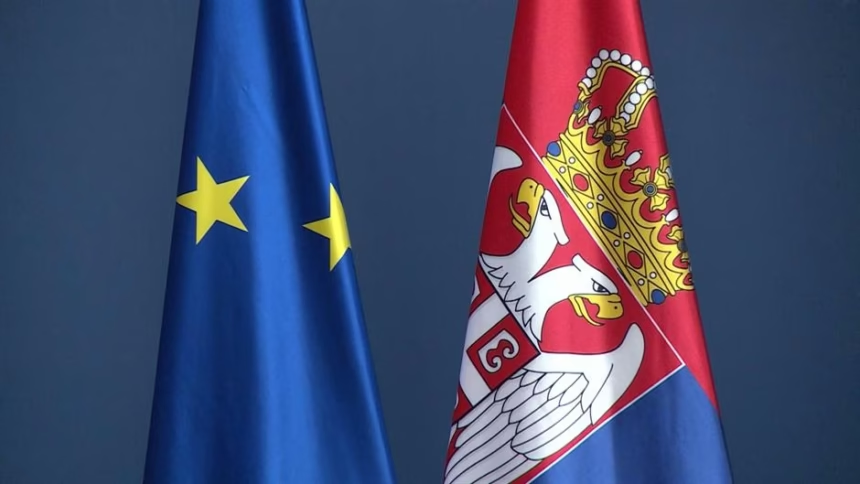
On World Press Freedom Day, May 1, 2026, the state of media in Serbia has been described as “alarming” and at its “worst level in history.” According to the latest World Press Freedom Index published by Reporters Without Borders (RSF), Serbia has plummeted an additional eight places, now ranking 104th out of 180 countries.
Pavol Salaj, Director of RSF’s EU/Balkans Desk, spoke to N1, highlighting that Serbia is “exiting Europe” at this pace. He accused President Aleksandar Vučić of using legislation as a “marionette” in an open war against independent journalism.
Analysis of the Fall: From 59th to 104th
Just a decade ago, Serbia occupied the 59th position globally. Today’s 104th rank places the country significantly behind its regional neighbors, including Bosnia and Herzegovina, Greece, and Kosovo.
| Year | Index Position | Status |
| 2016 | 59th | Problematic |
| 2024 | 96th | Difficult Situation |
| 2026 | 104th | Historical Minimum |
Salaj emphasized that while the legal framework appears solid on paper (ranked 65th), it is rendered meaningless by the political indicator, which places Serbia at a staggering 151st place due to state pressure.
“Predatory Techniques” and State Abuse
The RSF report directly accuses the state apparatus of persecuting journalists. Salaj outlined several key mechanisms used to stifle free speech:
- Political Rhetoric: Labeling independent media, particularly N1, as “terrorists” and “traitors.”
- Physical Violence: 2025/2026 saw record numbers of attacks on journalists, including police brutality at protests and arbitrary raids on newsrooms.
- SLAPP Lawsuits: Strategic Lawsuits Against Public Participation are being used to financially drain investigative outlets.
- Targeting Individuals: RSF condemned recent remarks by the Minister of Culture, who suggested “something bad should happen” to journalist Dinko Gruhonjić, who has been a frequent target of regime-led smear campaigns.
Concerns Over N1 and Independent Outlets
Salaj expressed specific concern for the future of N1, noting its vital role in informing the public during anti-government protests. He mentioned that systematic political pressure has raised fears regarding the editorial independence of the outlet following recent management and staff changes.
“Serbian citizens would have had no information about the protests if it weren’t for N1. Graffiti accusing this outlet of treason near the Presidency is absolutely abnormal for a European country,” Salaj stated.
Recommendations: Sanctions and Freezing EU Funds
With the outlook for the coming year looking bleak due to upcoming elections, RSF suggests that Brussels must move beyond words of concern.
- EU Funding: RSF proposes that Serbia should face sanctions, including the suspension of parts of EU funding, similar to the model applied to Hungary.
- Pre-accession Conditions: It was reiterated that media freedom is a non-negotiable condition for EU membership, and progress cannot continue while the state is in open conflict with the press.
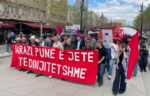
As labor protests and May Day gatherings take place across Belgrade today, the international community’s message is clear: without the protection of journalists, Serbia risks total isolation from European democratic standards.