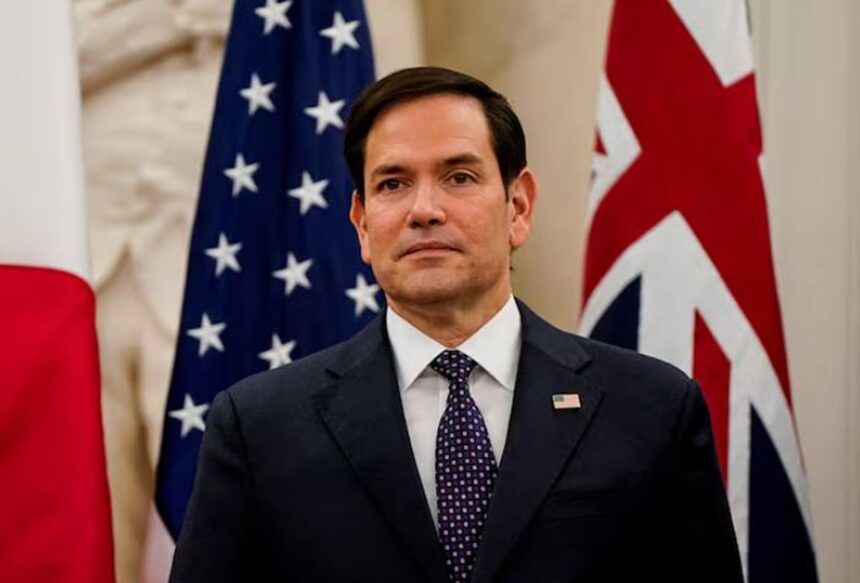
U.S. Secretary of State Marco Rubio is scheduled to visit Rome and the Vatican from May 6 to May 8, 2026. This high-stakes diplomatic mission is being characterized by officials as an urgent effort to repair fractured relations with key European partners as the ongoing war with Iran deepens the transatlantic divide.
The visit comes at a volatile moment for the Trump administration, which faces increasing pushback from traditional allies over its military strategy in the Middle East and its broader “America First” foreign policy.
A Mission of “Damage Control”
Analysts describe Rubio’s trip as a firefighting mission. Charles Kupchan, a senior fellow at the Council on Foreign Relations, noted that the conflict with Iran is exerting “extraordinary pressure” on President Trump’s relationships with European leaders.
“Rubio is bringing the fire trucks in an attempt to extinguish the flames and limit the damage,” Kupchan told Radio Free Europe.
Tensions with the Holy See and the Meloni Government
The diplomatic landscape has been complicated by public spats between President Trump and two of Italy’s most influential figures:
- The Vatican: Pope Leo has been a vocal critic of joint U.S.-Israeli strikes against Iran and U.S. migration policies. In April, Trump publicly criticized the Pope, calling him “terrible,” a move that analysts say has damaged the President’s support among domestic religious constituencies.
- Prime Minister Giorgia Meloni: Once considered a close ideological ally, Meloni has seen relations with Trump cool significantly. Italy has maintained a cautious stance on the Iran conflict, with Foreign Minister Antonio Tajani working to avoid further escalation while maintaining that an Iranian nuclear program remains a “red line.”
Sicilian Airbase Dispute and Troop Withdrawals
A major point of contention arose in March 2026, when Italy refused to allow U.S. aircraft transporting munitions for the war to utilize a strategic airbase in Sicily. This move drew sharp criticism from the Trump administration.
Adding to the friction is the Pentagon’s recent announcement to withdraw 5,000 U.S. troops from Germany. President Trump has issued similar threats toward Italy, which currently hosts approximately 13,000 U.S. troops, and Spain. Italian Defense Minister Guido Crosetto has questioned the logic behind these threats, asserting that Italy remains a committed partner in maritime security.
Strategic Goals of the Visit
Despite the friction, State Department spokesperson Tommy Pigott stated that Rubio’s meetings will focus on “shared security interests and strategic alignment.”
| Key Meeting | Primary Agenda Item |
| The Holy See | Middle East stability and mutual interests in the Western Hemisphere. |
| Italian Counterparts | Strategic alignment on Iran, maritime security in the Strait of Hormuz, and food security. |
A former senior State Department official remarked that the timing of the trip underscores the importance the administration still places on Italy and the Vatican. Rubio’s challenge will be to identify common ground amidst a war that has laid bare the fundamental differences in how Washington and Brussels view global security.