Despite their vastly different historical contexts and geographical scales, the Republic of Kosovo and Taiwan share a strikingly similar existential reality. Both democracies share volatile borders with aggressive neighbors—Serbia and China—that harbor persistent territorial claims and pose a continuous threat to their national security.
Under this unyielding pressure, both Pristina and Taipei have focused on expanding their defensive capabilities and building economic resilience. However, as direct diplomatic recognition remains blocked by complex global alignments, both nations are searching for creative ways to advance bilateral cooperation.
Economics as the Pragmatic “Bridge” Forward
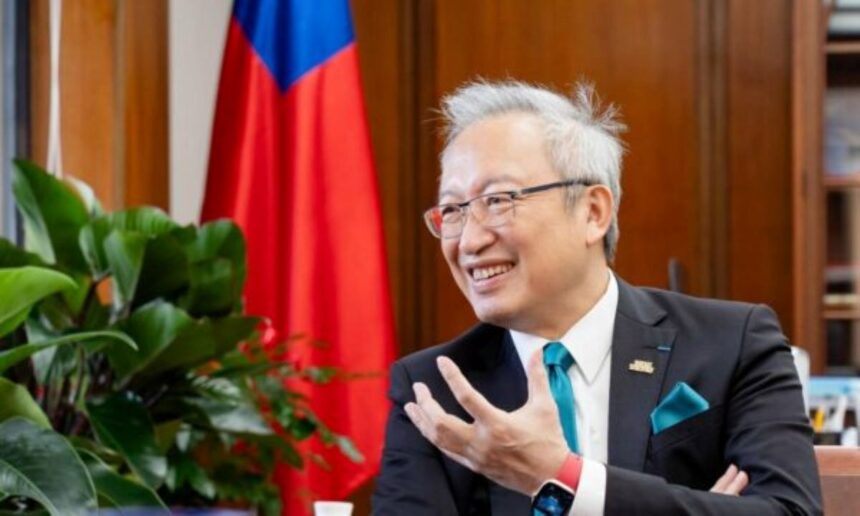
Speaking on the limits and opportunities of the current relationship, Taiwan’s Deputy Foreign Minister, François Chihchung, offered a highly pragmatic blueprint for bilateral engagement. He acknowledged that establishing formal diplomatic ties is not viable under the current international climate, but emphasized that private capital offers a powerful alternative.
              [KOSOVO-TAIWAN COOPERATION BLUEPRINT]
                                │
                                ▼
 ┌───────────────────────────────────────────────────────────┐
 │ FIRST MILESTONE (December 1, 2024):                       │
 │ Taiwan implements full visa-free travel for Kosovo citizens │
 ├───────────────────────────────────────────────────────────┤
 │ THE DIPLOMATIC BARRIER:                                   │
 │ Formal diplomatic recognition unavailable at present      │
 ├───────────────────────────────────────────────────────────┤
 │ ECONOMIC "PLAN B":                                        │
 │ Orienting Taiwan's elite private tech & corporate sector  │
 │ toward direct investment in Kosovo                        │
 └───────────────────────────────────────────────────────────┘
According to Chihchung, officials in Taipei are actively working to understand Kosovo’s domestic market structure in order to build confidence within Taiwan’s robust private sector.
Taiwanese Deputy Foreign Minister François Chihchung: “We are making efforts to find out how we can work more in terms of economic cooperation. Economic cooperation is always the best way. For Kosovo, we need to have more exchanges. We need to understand your economic situation; you deserve to have the private sector go to Kosovo for investment, and I believe people from Taiwan will go to Kosovo to invest.”
Removing Barriers: Visa-Free Travel
While political relations must navigate informal channels, concrete steps toward closer integration have already yielded fruit. On December 1, 2024, Taiwan officially eliminated its visa regime for Kosovo citizens, granting them full visa-free entry and recognizing the Kosovar passport for business and leisure travel.
This regulatory breakthrough has established a crucial baseline for:
- Bilateral Trade Streams: Easing mobility for Kosovar entrepreneurs looking to study Taiwan’s world-leading high-tech sectors—particularly in hardware, electronics, and digital infrastructure.
- Academic and Tech Exchanges: Creating direct pathways for Kosovar software engineers and students to access advanced tech fellowships and commercial partnerships in Taipei.
As traditional diplomacy remains constrained by geopolitical calculations and pressure from Beijing and Belgrade, “economic diplomacy” and private sector integration are emerging as the only viable paths to link Pristina and Taipei.