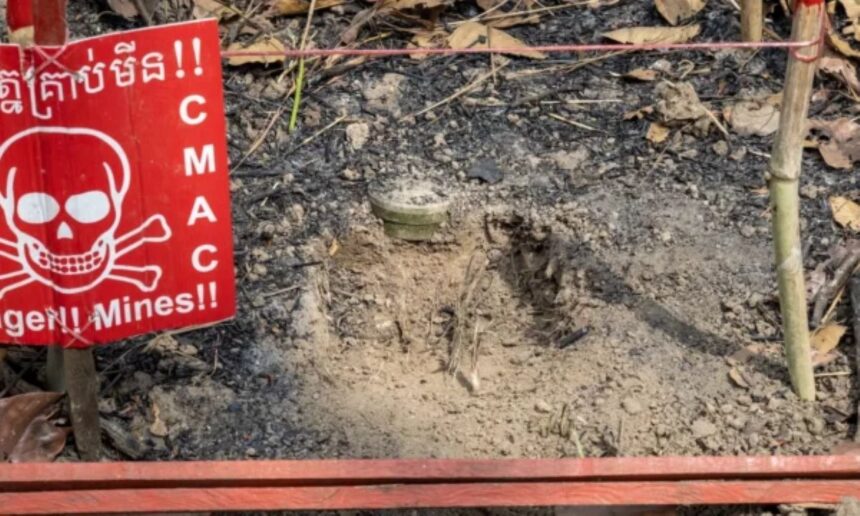
Nearly thirty years after the international adoption of the historic Anti-Personnel Mine Ban Treaty (the Ottawa Convention), the scourge of explosive weapons remains an active, daily threat to global human rights.
A comprehensive investigation published by the UN High Commissioner for Human Rights (OHCHR) reveals that at least 58 states and territories were actively contaminated with anti-personnel landmines. The report, which is scheduled for formal presentation to the UN Human Rights Council, paints a devastating picture of generational war trauma, showcasing how weapons laid decades ago continue to systematically maim civilian populations, disrupt agriculture, and hold back regional economic development.
1. The Human Toll: Civilians Pay the Ultimate Price
UN High Commissioner Volker Türk expressed profound concern over the persistent production, transfer, and hidden deployment of these indiscriminate devices. Synthesizing data collected from sovereign governments, NGOs, and humanitarian networks, the report highlights a sharp rise in casualties, with civilians bearing almost the entirety of the physical burden.
The Demographics of Landmine Devastation

 [ THE CASUALTY BREAKDOWN ] ──► RECORDED DATA
 • At least 1,945 people were killed instantly and 4,325 suffered life-altering
   injuries (amputations, blindness, hearing loss) in the last recorded cycle.

 [ THE CIVILIAN MARK ]      ──► SYSTEMIC TARGETING
 • Civilians make up approximately 90% of all documented casualties, proving
   these weapons cannot distinguish between active combatants and innocent life.

 [ THE CHILD CRISIS ]       ──► HISTORIC TRAGEDY
 • Children account for over 40% of all civilian casualties recorded since 1999,
   frequently misled by explosive ordnance planted in schools and playgrounds.
“It is deeply troubling that almost 30 years since the Anti-Personnel Mine Ban Treaty was adopted, these explosive weapons continue to kill and injure people – often decades after they were placed. It is essential that all States recommit to putting an end to the production, use, and transfer of these weapons.”
— Volker Türk, UN High Commissioner for Human Rights
2. Global Choke Points: The Most Contaminated Hotspots
While landmine contamination is a global crisis, the OHCHR report identifies a specific cluster of states where the density of unexploded ordnance and active minefields has reached catastrophic proportions, causing severe spikes in daily civilian casualties.
The World's Highest-Risk Landmine Zones
┌────────────────────────────────────────────────────────────────────────┐
│                                                                        │
│  [ THE MIDDLE EASTERN & ASIAN FRONTLINES ] ────────────────────────┐   │
│  • Syria, Afghanistan, and Myanmar remain trapped in severe loops of   │   │
│    heavy contamination, driven by protracted conflicts and new use.    │   │
│                                                                        │   │
│  [ THE EUROPEAN CONFLICT ZONE ] ───────────────────────────────────┤   │
│  • Ukraine stands as one of the most heavily mined territories in     │   │
│    modern history, complicating post-conflict agricultural revival.    │   │
│                                                                        │   │
│  [ THE SUB-SAHARAN CRISIS ] ───────────────────────────────────────┘   │
│  • Nigeria, Mali, Yemen, and Burkina Faso face asymmetrical security  │
│    threats, where non-state armed actors actively deploy hidden IEDs.   │
└────────────────────────────────────────────────────────────────────────┘
3. Structural Failure: Treaty Setbacks and the Funding Collapse
The international community’s vision of a completely mine-free world is facing a severe structural crisis. In addition to slow clearance progress, the geopolitical landscape has weakened the enforcement of the Ottawa Convention, as a sharp global funding shortfall stalls crucial humanitarian demining operations.
| Operational Challenge | The Disarmament Setback | The Long-Term Humanitarian Impact |
| Treaty Compliance | 162 nations are party to the convention, but several major world powers and stockpile-holders have never signed. Five European states recently initiated steps to legally withdraw, citing altered regional security environments. | Weakened Legal Norms: Threatens the universal health of international humanitarian law, encouraging localized rogue state actors to resume production and deployment. |
| The Financial Deficit | International funding has collapsed. Contributions to the UN Voluntary Trust Fund for Assistance in Mine Action plummeted from $125 million down to just $46 million over a seven-year span. | Operational Shutdowns: Vital clearance and victim-assistance programs in highly vulnerable states like Iraq, Afghanistan, and Colombia have been abruptly terminated. |
| Socio-Economic Paralysis | Minefields permanently turn vital agricultural belts and transit corridors into strict “no-go zones.” | Systemic Poverty: Blocks humanitarian assistance from reaching cut-off populations, driving prolonged civilian displacement and deepening regional food insecurity. |
The UN’s ultimate mandate is clear: clearing landmines is not just a logistical task, but a fundamental requirement for protecting human rights. To prevent millions more from living in fear, global powers must urgently restore funding for demining teams and ensure that survivors receive the long-term healthcare, rehabilitation, and social security they deserve.