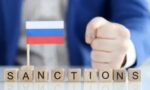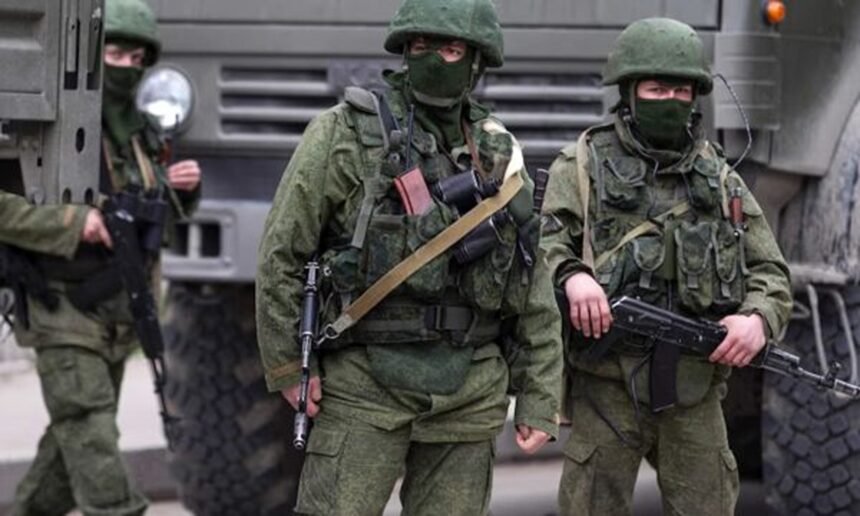
When the European Commission presented its latest package of sanctions against Russia to EU member states earlier this month, one of the key proposals was a Schengen-wide entry ban for anyone who has served in the Russian military or Kremlin-backed armed groups in Ukraine during the past four years.
Initially, few details were available, but more information has now emerged.
Estonia was the first EU country to warn that Russian military veterans could pose a security risk. According to Tallinn, around 1.5 million Russian citizens have participated in military operations in Ukraine since February 2022, while approximately 650,000 remain on active duty.
Estonian authorities also pointed to growing violence inside Russia, noting that around 180,000 prisoners were recruited into special military units, with many reportedly returning to criminal activity after completing their service.
Earlier this year, amid concerns that former fighters could begin traveling to the EU, Estonia launched efforts to identify current and former Russian soldiers, largely through social media, and imposed five-year Schengen entry bans on hundreds of individuals.
Such bans prevent non-EU nationals from entering all Schengen countries, as well as non-EU Schengen members such as Iceland, Liechtenstein, Norway, and Switzerland, while Ireland and Cyprus remain outside the Schengen Area.
What Does the EU Proposal Include?
The first proposal would update the European Commission’s 2022 visa guidelines for Russian applicants.
Since Russia’s full-scale invasion of Ukraine, visa rules have already become significantly stricter after the EU suspended its visa facilitation agreement with Moscow. This resulted in higher application fees, longer processing times, and stricter documentation requirements.
However, Russian citizens have continued to receive tourist visas, particularly from southern EU countries with tourism-dependent economies.
Under the proposed changes:
- The burden of proof would shift to the applicant, requiring them to demonstrate they did not participate in Russia’s military operations.
- Additional security screening would be introduced for military-age male applicants.
- Personal interviews could become part of the visa application process.
A second proposal would allow EU consulates and diplomatic missions to require additional documents from Russian applicants, including official military identification records detailing any military service.
Possible Changes to EU Visa Law
The European Commission is also considering longer-term amendments to the EU Visa Code, which governs Schengen visa policy.
If approved by a qualified majority of EU member states, the revised rules would allow the bloc to suspend, reject, or restrict visa applications from nationals of third countries deemed to pose specific risks to:
- Public security,
- Public order, or
- The EU’s international relations.
While this legal framework could theoretically allow a complete suspension of visas for Russian citizens, such an outcome is considered unlikely.
Instead, the more probable scenario is that future restrictions would specifically target current and former Russian military personnel.
Draft legislative proposals to amend the EU’s legal framework are currently being prepared and could be formally presented as early as 2027.