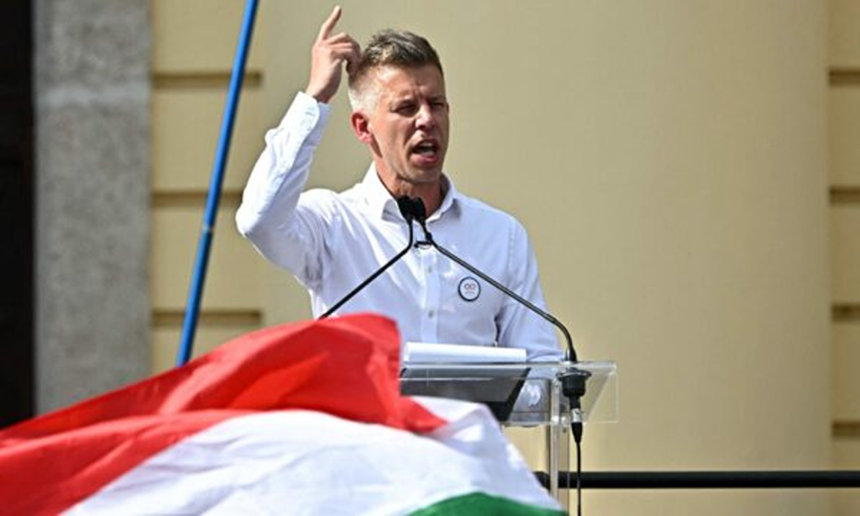
The decisive victory of Péter Magyar and his Tisza Party in the April parliamentary elections marked a historic turning point for Hungary, ending Viktor Orbán’s 16 years in power and opening the door to a series of far-reaching political and institutional reforms.
With a two-thirds majority in Parliament, Magyar gained the ability to amend the Constitution and key laws. During the campaign, he promised not only a change of government but also the dismantling of the political system built by Orbán during his four consecutive terms in office.
Just months after taking office, the new government launched rapid changes within the country’s major institutions. Hungary’s president and prosecutor general left office, leaders of security services and other state institutions were replaced, and the Office for the Protection of Sovereignty—long criticized by the European Union—was shut down.
One of the new cabinet’s top priorities is the fight against corruption. Authorities established a special office for the recovery of public assets and opened investigations into several figures linked to the previous administration, including businessmen and officials close to Orbán. At the same time, suspected transfers of assets abroad have been blocked, while Hungary is expected to join the European Public Prosecutor’s Office, expanding its ability to investigate fraud involving EU funds.
Significant changes have also reshaped the political landscape. Viktor Orbán gave up his parliamentary seat after 36 years in Parliament, while the new majority approved legislation limiting the prime minister’s term to eight years. The change makes a return to the premiership virtually impossible for Orbán. Limits have also been introduced for parliamentary mandates, affecting several long-serving figures within the Fidesz party.
The media landscape has undergone major changes as well. State media announced a restructuring process aimed at ensuring editorial independence, while several media outlets aligned with Fidesz have faced financial difficulties following the suspension of state advertising, leading to staff reductions and, in some cases, closures.
The measures taken by the new government have triggered strong political reactions. Fidesz views them as an attack on democracy and accuses Magyar of using his parliamentary majority to eliminate political opponents. The government, however, argues that the reforms are necessary to restore institutional independence and the rule of law after years of concentrated power.
Internationally, the developments have been closely watched. The European Commission has generally welcomed the reforms, describing them as an important step toward strengthening the rule of law. In contrast, some of Orbán’s allies across Europe have expressed concern that certain measures could set problematic precedents for democracy.
Despite the rapid pace of change, analysts believe that Péter Magyar’s greatest challenge will be designing a new institutional system that guarantees a balance of powers and avoids repeating the same concentration of authority that he criticized throughout his campaign.