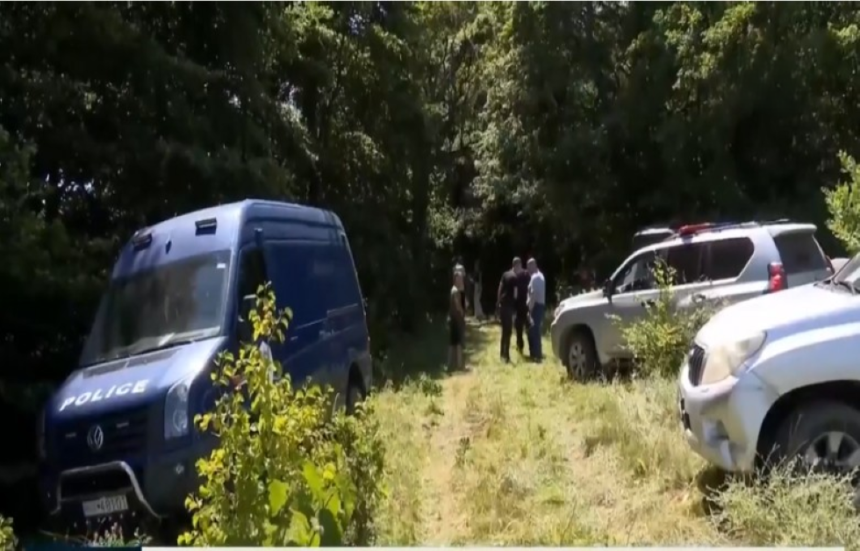
As Kosovo authorities intensify efforts to uncover the fate of missing persons through excavations at suspected mass grave sites in Zubin Potok and Jabukë, public discourse in Serbia has largely shifted toward the arrests of Serbian suspects and allegations of political pressure against the Serbian community.
According to journalist Ilirie Pireva of The Geopost, much of the reporting by Serbian media closely mirrors the narrative promoted by officials in Belgrade.
“The crimes are described as merely ‘alleged,’ while the arrests are portrayed as ‘Kurti’s terror’ and intimidation of Serbs. The entire case is framed as political and ethnic persecution of the Serbian community. Statements by President Aleksandar Vučić, Ana Brnabić, Ivica Dačić, and Aleksandar Vulin appear coordinated to shape public opinion and reinforce Serbia’s territorial claims,” Pireva told RTK.
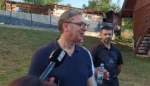
During a visit to Republika Srpska, Serbian President Aleksandar Vučić claimed that Serbs in Kosovo continue to face what he described as “terrible terror.” He alleged that “something new is invented against Serbs every day” in Kosovo while, according to him, the suffering of Orthodox Christians is ignored.
Vučić also stated that the “terror against the Serbian people in Kosovo will not last forever.”
His remarks drew criticism from Serbian lawyer and activist Čedomir Stojković, who warned that such rhetoric risks inflaming tensions and conveys contradictory messages to domestic and international audiences.
“If the President of Serbia tells Serbian citizens that Kosovo is carrying out terror against Serbs, then that is effectively a call for conflict. Vladimir Putin used the same narrative by claiming that Ukrainians were terrorizing Russians in Ukraine, and we all know what followed. Before Western officials, Vučić speaks about peace and stability, but once the cameras are on in local communities, he openly encourages hostility toward Kosovo,” Stojković said.
The debate has also focused on comments by Serbian Interior Minister Ivica Dačić, who criticized Serbian citizens assisting in identifying suspected mass grave locations believed to contain the remains of Kosovo Albanians killed during the 1998–1999 war.
Kosovo’s acting Interior Minister Xhelal Sveçla accused Serbia of continuing to obstruct efforts to clarify the fate of persons who disappeared during the conflict. According to Sveçla, Serbian authorities refuse to provide information about missing persons while intimidating citizens who cooperate in locating mass grave sites.
Former Montenegrin Foreign Minister Miodrag Vlahović also condemned Dačić’s remarks, describing them as inflammatory and as rhetoric that justifies war crimes. In a post on X, Vlahović called the minister’s statements “disgusting” and questioned whether any Serbian or Montenegrin politician would publicly denounce such language.
The latest exchanges come as forensic teams continue investigations at newly identified suspected mass grave sites in northern Kosovo, where authorities are seeking to identify victims and establish accountability for wartime crimes. The issue of missing persons remains one of the most sensitive and unresolved aspects of post-war normalization between Kosovo and Serbia.