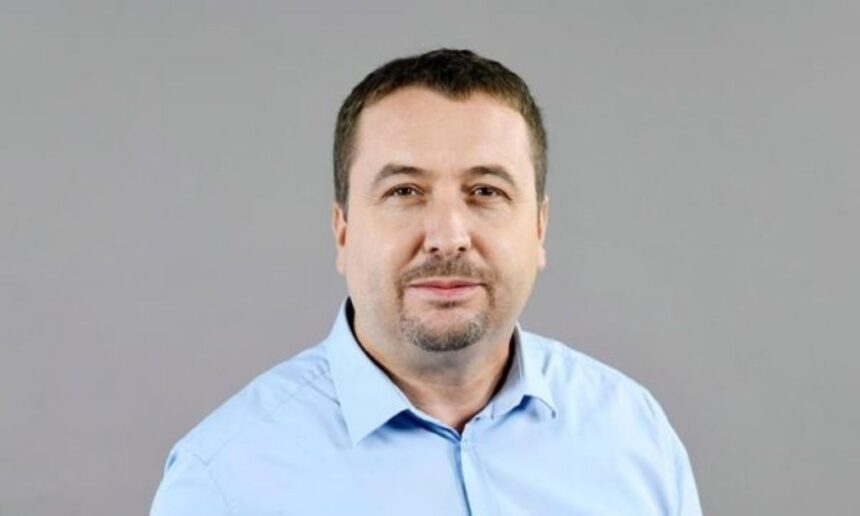
Political analyst and professor Blerim Latifi has claimed that information allegedly found on the phone of Fatmir Sheholli confirms what he says has been a long-standing warning about Serbia’s efforts to influence Kosovo through religious radicalization.
Latifi was reacting to the publication of information reportedly contained in a prosecution file related to the espionage case involving Sheholli. He alleged that the material points to a broader strategy attributed to Serbia’s intelligence structures aimed at promoting religious influence in Kosovo and weakening the country’s national cohesion.
According to Latifi, the alleged plan involved using funds from Islamic institutions and foreign diplomatic sources to finance the construction of mosques and Islamic schools across Kosovo, including in prominent locations and areas where religious interest was reportedly considered lower.
The document, as quoted by Latifi, allegedly describes efforts to expand religious education, recruit influential figures in areas including sports, media, music and politics, and establish networks among Albanian communities both in Kosovo and abroad.
It also allegedly refers to contacts and networks in countries with large Albanian communities, including Switzerland, Germany and Belgium, and claims that religious structures and their representatives could be used to influence the political orientation of the Albanian diaspora.
The alleged document further describes a strategy of creating an atmosphere in Kosovo that would encourage part of the younger population to leave the country while others would turn increasingly toward religious identity.
The text contains an especially stark prediction that, after two decades, Kosovo could resemble Kandahar and that Western countries could subsequently reconsider their support for Kosovo’s independence.
Latifi described the material as evidence of what he characterized as a Serbian strategy to undermine Kosovo through what he called the “Arabization” of Kosovar society.
However, the allegations contained in the reported document and its authenticity, provenance and interpretation would need to be established independently by competent authorities and the relevant judicial proceedings.
The claims emerge amid the ongoing espionage case involving Fatmir Sheholli and renewed debate in Kosovo over alleged Serbian intelligence activities and attempts to influence political and social developments in the country.